Kiln stilts, posts, and cookies each serve a specific job depending on what firing stage you are at, so choosing the right support keeps your work intact. If you are mid-glaze session, you have probably stared at a piece and wondered whether to risk a stilt, reach for a cookie, or just fire it bare.
That moment of uncertainty is familiar, and the answer comes down to your clay body and the temperature you are aiming for. This article breaks down which support works best for earthenware, stoneware, and porcelain firings, and when to skip them altogether for wadding or kiln wash.
You will also learn how to stack pieces for even heat and how to clean off the small marks stilts leave behind. By the end, you will know exactly what to place under each pot before the kiln lid closes.
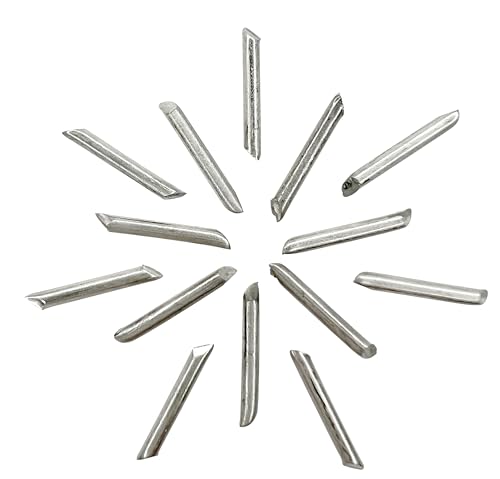
Rugged low-fire supports that keep glazed pieces off shelves and grind clean.

Refractory stars handle mid-range stoneware and fuse predictably for safe firing.

Versatile set supports multiple pot shapes and reduces stilt marks.
Check discounted items inKiln Stilts
Quick Answer
- Use metal-pin stilts for low-fire glazes under 1100°C, then grind off pointed marks.
- Choose all-ceramic stilts for mid-range stoneware, but expect them to be single-use and fuse often.
- Support high-fire ware with kiln wash, silica sand, or wadding, never metal stilts.
- Place runny glaze pots on cookies with wadding balls underneath to catch drips.
- Stagger kiln posts with 1-inch wall gaps and grind stilt scars under water.
Metal-Pin vs. All-Ceramic Stilts: Choose by Clay Body and Temperature
The choice between metal-pin and all-ceramic stilts comes down to one question: how hot are you firing, and what is your clay body made of? Metal pins, the classic star stilts, tap out around 1000–1100°C, which suits earthenware and low-fire glazes that stay runny but forgiving.
They leave small pointed marks you can grind smooth with a Dremel. Below cone 04, they are cheap, sturdy workhorses.
Push them hotter, and the points sag or oxidize, staining your piece. All-ceramic stilts, built from refractory three-pointed stars, handle higher temperatures where metal turns to jelly.
They are single-use, often fuse to glaze, and leave rougher scars you sand under water. Stick with metal for low-fire work and ceramic for mid-range stoneware.
Your shelf will thank you.
Why High-Fire Porcelain and Stoneware Need Kiln Wash, Not Stilts

Porcelain and stoneware can’t sit on metal stilts at high fire. The clay body softens, so the ware sags, oxidizes, and picks up rust-colored stains.
Those thin points simply can’t support the weight. Metal reactions also mess with the glaze surface and hurt adhesion.
Use kiln wash instead. Brush a simple alumina-and-clay mix on the shelves so the piece moves freely without sticking.
> Skip the metal stilts for high fire—brush a simple alumina-clay kiln wash on shelves so pieces move freely without sticking.
For contraction, spread a thin layer of silica sand under pots. Keep it off glazed edges.
If drips are a concern, use wadding. A mix of 50% EPK clay and 50% alumina hydrate lifts the ware clear of the shelf.
Skip stilts for high fire altogether. Wash, sand, or wadding keeps your work clean.
Metal stilts belong on earthenware. High fire needs a softer touch.
Cookies and Wadding: Stilt Alternatives for Runny Glazes
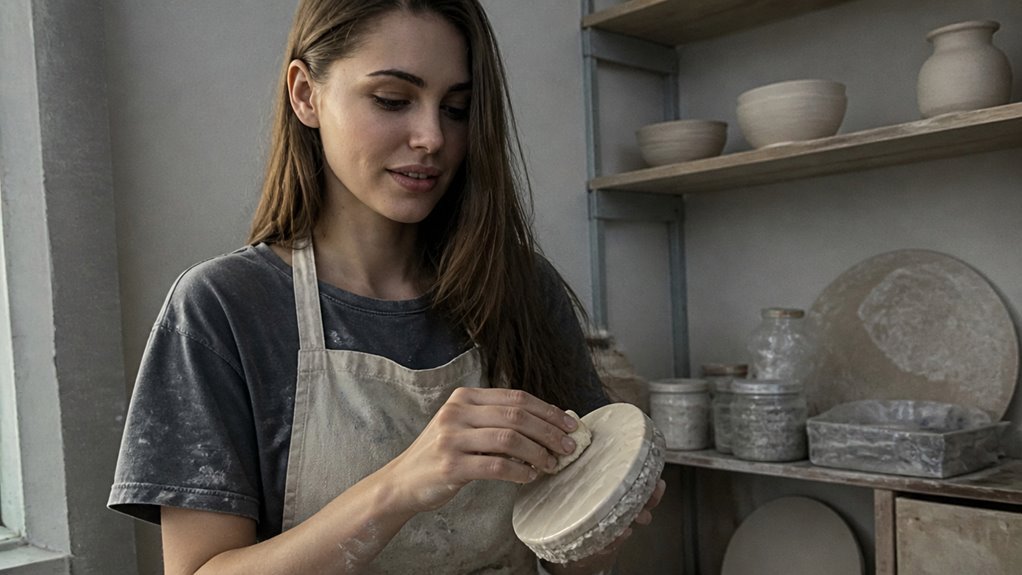
Metal stilts fail around 1100°C, so runny glazes at any temperature need a sturdier plan. Cookies and wadding catch the drips and keep your pieces from sticking to kiln shelves.
A cookie is a flat stoneware slab that sits under your pot. It catches glossy drips and volcanic flows alike.
Wadding is a 50/50 mix of EPK and alumina hydrate. Press small wadding balls under the pot’s foot, not on it, to lift the piece clear of the cookie.
After firing, tap the wadding off. It crumbles like stale bread.
To reuse a cookie, scrape off the drips, wash it, and fire it again. This is solid glaze drip prevention without buying new gear.
Keep a stash of cookies and a sealed wadding tub handy. Your shelves and your sanity will thank you.

Flat stoneware discs catch runny glaze drips and protect kiln shelves.

Reusable cookie separates ware from shelf and makes cleanup quick.

Multiple cookie sizes fit various pots and simplify glaze firing.
See today's best deals onKiln Cookies
Kiln Posts and Half Shelves: Stacking for Even Heat Flow
Three mistakes will ruin a glaze firing before the heat even peaks: overloaded shelves, blocked airflow, and uneven stacking. Proper post arrangement is your quiet insurance policy.
Tubular posts raise shelves, but their placement dictates heat circulation. Stagger them instead of lining them up in straight rows, and warm air weaves upward.
Shelf spacing matters too. Leave one inch between the shelf edge and the kiln wall, and use half shelves with a half-inch gap between them to prevent cold spots.
Raise the bottom shelf off the cooler floor with one-inch posts. That small lift adds an insulating layer.
| Post Height | Best Use | Airflow Tip |
|---|---|---|
| 1 inch | Bottom shelf lift | Insulates from floor |
| 3 inches | Mid-stack ware | Space posts unevenly |
| 6 inches | Tall pots, tiers | Leave side gaps open |
Think like a chimney, not a filing cabinet. Your kiln will thank you.
Grinding Stilt Marks and Reusing Kiln Furniture
Those little metal nicks staring up from an otherwise flawless glaze are a rite of passage. Mark removal demands steady hands and proper grinding techniques.
A Dremel with a diamond bit works wonders, but always grind under water. This keeps dust down and prevents heat fractures.
Grind with a diamond bit under water—keeps dust down, stops heat fractures.
Ceramic stilts leave gritty scars. Use a sanding pad or wet grinder on those.
Reusing kiln furniture is a frugal art. Metal stilts survive dozens of firings below cone 04.
Check them for oxidation or sagging, then toss them. All-ceramic spurs are single-use once glaze welds them.
Break them off with pliers and expect casualties. Grind smart, wet, and protected.
Replace anything warped or cracked. That is the whole game.

Lift bottom shelves off cool floors to improve heat flow and insulation.

Stagger these round posts to let warm air weave upward evenly.

Tall posts create room for stacked tiers and keep side gaps open.
Browse discountedKiln Postson Amazon
Frequently Asked Questions
Can I Use Metal Stilts on Stoneware if Glaze Is Matte?
No, you should not use metal stilts on stoneware, even if the glaze is matte, because the high heat still triggers a metal reaction that can stain the surface.
The matte finish offers no protective barrier, so those stubborn marks can appear anyway.
Instead, fire your pieces on kiln wash covered shelves or ceramic cookies, which are safer and reusable.
Do not risk ruining a piece near the end of the process, as the spotting is often permanent.
For a quick fix today, place small wads of kiln wash under any foot ring to keep the clay off the shelf.
If you are unsure about your kiln’s heating behavior, check your clay or glaze manufacturer’s instructions before firing.
In my experience, cookies never fail, whereas stilts always leave a trace, matte or glossy.
Related terms like “firing furniture” can help you find more reliable alternatives online.
How Do I Remove Wadding Stuck to My Pot’s Base?
To remove wadding stuck to your pot’s base, scrape it off carefully with a metal or carbide tool while the pot is bone dry. Avoid chipping the glaze by working at a low angle and letting the tool do the work.
For stubborn residue, switch to a grinding stone or a Dremel fitted with a diamond bit, keeping the surface wet to reduce heat and dust. Always wear eye protection, since tiny abrasive particles can fly up and cause surface pitting.
A practical tip: soak the base in water for an hour before scraping, which softens the wadding without harming the fired glaze. If you’re unsure about the best tool for your clay body, check your clay, glaze, or kiln manufacturer’s instructions. Related terms like “kiln furniture removal” may help you find more specific advice.
Do Ceramic Stilts Work in Electric Kilns at Cone 6?
Ceramic stilts do not work in electric kilns at cone 6, because the refractory spines soften and can fuse to your ware. This leaves dark, sharp marks and can even cause pieces to slump or crack during the firing.
Instead, use cookie shelves or high-alumina kiln furniture to support glazed bottoms, which are safer and more reliable. For small items like bowls, I recommend placing them on a thin layer of silica sand or alumina powder on a cookie to prevent sticking.
If you need raised support, switch to metal kiln posts or wire stilts rated for higher temperatures, but verify their maximum cone rating first. Always check your clay and glaze manufacturer’s instructions for the correct firing setup at cone 6, as formulations vary.
A related term to search is “kiln wash” for cookies, which helps protect your shelves from glaze drips. In my experience, this method saves more pots than stilts ever will.
Can Silica Sand Be Reused for Multiple Glaze Firings?
Yes, silica sand can be reused for multiple glaze firings, but only with careful preparation and inspection. The main risk is contamination from stray glaze drips, which can alter the sand’s melting point and cause defects on your next ware.
To reuse safely, sift the sand through a fine mesh sieve to remove any glaze chips, kiln debris, or broken shelf particles. This simple step prevents unwanted impurities from sticking to your pots and ruining a glaze fit.
Be aware that repeated firings and kiln atmosphere changes can slowly change the sand’s chemistry, making results less predictable. In my experience, it is best to dedicate a separate batch of sand for high-temperature firings, while using fresh sand for delicate pieces.
For consistent, reliable results, fresh silica sand is always the safest choice. If you are unsure about your kiln’s atmosphere, check your manufacturer’s instructions for recommended shelf wash alternatives like alumina hydrate.
What Is the Safest Way to Clean Kiln Posts?
The safest way to clean kiln posts is to wipe away loose debris with a stiff brush and water, while avoiding any abrasive tools. Gentle wiping preserves the refractory integrity of the posts, so they remain strong for subsequent firings.
Do not soak the posts, because moisture can weaken their structure over time. Kiln wash residue often resists removal, so focus only on what comes off easily with light pressure.
For a stubborn spot, try a dry, fine nylon pad and work in a circular motion, but never scrape with metal. In my experience, protecting shelves with fresh kiln wash reduces post buildup in the first place, making cleaning simpler.
Always check your kiln or shelf manufacturer’s instructions for material-specific care, since refractory types vary. Consistent, gentle maintenance extends post life far better than aggressive scrubbing ever will.
Rounding Up
Kiln stilts, posts and cookies are each used for specific firings: stilts lift glazed pieces off the shelf, posts support stacked ware, and cookies catch drips under pots.
Check your clay’s firing temperature before buying any furniture, and choose pieces rated for that heat, not for trends.
Test your stilts on a spare tile first, and grind off any sharp marks before reuse to keep surfaces clean.
Stack with airflow in mind, leaving space between pieces, and reuse everything until it physically fails.
A single porcelain stilt can survive over 100 firings, so it often costs less than the glaze it protects.
Protect your work, not your ego.