
Crystalline glazes at cone 5-6 are your ticket to standout surfaces, from snowflake bursts to shifting blue tones that resemble wood-fired results.
If you are currently staring at a mug that needs something special, or you are tired of the same matte and gloss finishes, these specialty recipes bring the drama.
This article walks you through Mayco’s Blue Hydrangea, Indigo Rain, Midnight Rain, Winter Wood, Penguin’s Floating Blue, and the AMACO Cosmos pack, plus the practical steps for applying them thick and firing safely.
You will learn why test tiles matter, how to keep mug interiors bare, and why a drip tray saves your kiln shelf.
The key is to pick one glaze, test it on your own clay body, and let the kiln’s surprise do the work.
Ready to get your hands dirty? Let’s start with what each glaze actually looks like on the pot.
Quick Answer
- Expect Mars Crystal Red to deliver an iridescent crystalline finish at cone 5-6.
- Let Aurora Green bloom snowflake-like crystal formations during slow cooling.
- Use Winter Wood to achieve natural grain-like woody streaks from its crystal bloom.
- Try Indigo Rain for a deep navy base with frosty, shimmering crystal texture.
- Choose Blue Splatterware for controlled speckle chaos that catches light everywhere.
| Penguin Pottery Ceramic Glaze Floating Blue 16 oz |  | Best Overall | Glaze Type: Ceramic glaze (glossy, opaque) | Brand: Penguin Pottery | Color/Finish: Floating Blue | SEARCH BEST PRICE | Read Our Analysis |
| Mayco Stoneware Crystal Glaze – Blue Hydrangea Pint |  | Best Crystal Finish | Glaze Type: Stoneware crystal glaze | Brand: Mayco | Color/Finish: Blue Hydrangea | SEARCH BEST PRICE | Read Our Analysis |
| Mayco Stoneware Crystal Glaze – Indigo Rain Pint |  | Best Color Depth | Glaze Type: Stoneware crystal glaze | Brand: Mayco | Color/Finish: Indigo Rain | SEARCH BEST PRICE | Read Our Analysis |
| Mayco Stoneware Crystal Glaze – Blue Splatterware Pint |  | Best For Decorative Effects | Glaze Type: Stoneware crystal glaze | Brand: Mayco | Color/Finish: Blue Splatterware | SEARCH BEST PRICE | Read Our Analysis |
| AMACO Cosmos Crystalline Glaze 6-Pint Class Pack |  | Best Variety Pack | Glaze Type: Crystalline gloss glaze | Brand: AMACO | Color/Finish: 6-color assortment (Dark Star, Solar Flare, Solar Rainbow, Galactic Glacier, Blue Starlight, Supernova) | SEARCH BEST PRICE | Read Our Analysis |
| AMACO Cosmos CO-13 Mars Crystal Red Glaze Pint |  | Specialty Pick | Glaze Type: Iridescent crystalline glaze | Brand: AMACO | Color/Finish: Mars Crystal (CO-13) | SEARCH BEST PRICE | Read Our Analysis |
| Mayco Stoneware Crystal Glaze – Aurora Green Pint 16 oz |  | Best Shade Selection | Glaze Type: Stoneware crystal glaze | Brand: Mayco | Color/Finish: Aurora Green | SEARCH BEST PRICE | Read Our Analysis |
| Penguin Pottery Ceramic Glaze Light Jade 16 oz |  | Most Versatile On Texture | Glaze Type: Ceramic glaze (glossy, semi-translucent) | Brand: Penguin Pottery | Color/Finish: Light Jade | SEARCH BEST PRICE | Read Our Analysis |
| Mayco Stoneware Crystal Glaze – Midnight Rain Pint |  | Classic Choice | Glaze Type: Stoneware crystal glaze | Brand: Mayco | Color/Finish: Midnight Rain | SEARCH BEST PRICE | Read Our Analysis |
| Mayco Stoneware Crystal Glaze – Winter Wood Pint |  | Most Unique Finish | Glaze Type: Stoneware crystal glaze | Brand: Mayco | Color/Finish: Winter Wood | SEARCH BEST PRICE | Read Our Analysis |
More Details on Our Top Picks
Penguin Pottery Ceramic Glaze Floating Blue 16 oz
Floating Blue from Penguin Pottery is best for a home studio potter who wants a reliable, glossy glaze that hides its personality until it breaks over texture. Its main strength is the way it layers rich blues and sky shades with a thin, warm brown band near the rim, creating that dynamic watercolor effect.
One honest drawback is that thickness changes the result, so you may need a few test tiles to hit the look you want. Unlike other glazes in this line that stay flat and even, Floating Blue rewards you with subtle speckling that shifts with your application.
Fire it at cone 5 or 6, not in a kitchen oven, and brush it straight from the 16 oz jar onto your bisque ware. It fully covers your clay body, but you must follow the label instructions to get the opaque, glossy finish.
This glaze stands above the rest overall for a potter who enjoys a little unpredictability but still wants a dependable, made-in-the-USA product with a lifetime warranty. Test first, because a thicker coat will darken the navy layers, while a thinner coat lets more of the warm band show through.
- Glaze Type:Ceramic glaze (glossy, opaque)
- Brand:Penguin Pottery
- Color/Finish:Floating Blue
- Volume:16 fl oz (473 mL)
- Firing Cone:Cone 5-6 (2167–2232°F)
- Application Surface:Ceramic/bisque ware
- Additional Feature:Donates 1% of sales
- Additional Feature:Lifetime warranty included
- Additional Feature:Made in USA
Mayco Stoneware Crystal Glaze – Blue Hydrangea Pint
Mayco’s Blue Hydrangea, model SW170P, is a crystalline glaze that forms white, snowflake-like bursts over a deep blue base during cooling. You fire it like any normal stoneware, so the effect comes without extra steps or guesswork in the kiln.
This pint suits a home potter who wants a dramatic surface without mastering advanced chemistry. Its clear strength is the reliable contrast: the blue stays bold while the crystals pop sharply, so a simple mug or small vase looks deliberate.
The honest drawback is that it will not smooth over wheel marks or tool chatter. Any wobble in your throwing shows up boldly under the glossy finish, so you need to clean your pieces well at the bisque stage.
Compared to the other glazes in this lineup, Blue Hydrangea is the showiest for pattern but less forgiving on form. Where a matte glaze might soften a lumpy shoulder, this one calls attention to every curve, so plan to spend time on your trimming.
For a kitchen-bound project, it is a solid pick if you keep the clay body simple and the walls even. Just remember to test your specific clay and firing cone before committing a full batch.
Grab a pint when you want a fired piece that looks like a geode exploded across the surface. Keep your throwing clean, and the crystals will do the rest.
- Glaze Type:Stoneware crystal glaze
- Brand:Mayco
- Color/Finish:Blue Hydrangea
- Volume:1 pint (16 oz)
- Firing Cone:Not specified
- Application Surface:Stoneware
- Additional Feature:Model SW170P
- Additional Feature:Kitchen binding type
- Additional Feature:Home product group
Mayco Stoneware Crystal Glaze – Indigo Rain Pint
Mayco’s Indigo Rain pint, model SW153P, is best for home potters who want a deep, moody blue that shifts with light on stoneware mugs. Its clear strength is the true crystal effect, which adds frosty, shimmering texture that stands out in a studio kiln.
The honest drawback is that specialty glazes have personality, so you must test on a bisque tile before committing to a full piece. This pint differs from other Mayco crystal glazes because Indigo Rain reads as a dark, almost navy blue, while similar colors like Blue Sparkle stay lighter and more glitter-forward.
You get 16 ounces, which fits test pieces and a few small mugs, and it fires clean without special tricks on a standard cone. Beginners who still over-glaze will find it forgiving, since the crystal effect masks uneven coverage better than a flat gloss.
Apply it to a cone 6 bisque piece, fire normally, and the frosty crystals bloom as the glaze cools. This is not a glaze for delicate pastel work; it is a drama-first option for bold statement pottery.
If you want serious color depth without extra kiln steps, this pint is a solid buy for your home studio. Your kiln will thank you, and you will have plenty left to experiment with after the first tile test.
- Glaze Type:Stoneware crystal glaze
- Brand:Mayco
- Color/Finish:Indigo Rain
- Volume:1 pint (16 oz)
- Firing Cone:Not specified
- Application Surface:Stoneware
- Additional Feature:Model SW153P
- Additional Feature:Office Product binding
- Additional Feature:Ceramic finishing use
Mayco Stoneware Crystal Glaze – Blue Splatterware Pint
Mayco’s Blue Splatterware pint is a crystal glaze that plays hide-and-seek with your expectations. It’s not just blue; it’s a controlled chaos of speckles on stoneware, perfect for mugs.
The crystal finish gives that glossy, dimensional pop, and home studio potters who enjoy surprise results will love it. Unlike a smooth satin glaze, this one rewards a bold hand and a tolerance for variation.
Model SW152P is easy to find, and it works best on stoneware, not earthenware, so keep that in mind before you load the kiln. Your bisque pieces should be sturdy and thrown evenly, because the speckle pattern will emphasize every wobble.
The honest drawback is unpredictability: a pint covers maybe eight pieces, and my last batch looked like a Pollock sneeze. Don’t expect perfection, and don’t try to replicate a favorite piece exactly, because the speckle distribution shifts with each dip.
Compared to a flat gloss glaze, this one adds a textured, mineral-rich surface that catches light at different angles. For a beginner, the learning curve is forgiving, but you need to stir well before each use to keep the crystals suspended.
If you want bold, speckled drama, grab this pint for your next mug set or vase.
Just know that two mugs from the same batch can look like cousins, not twins, and that’s part of the charm.
On the wheel or off, this glaze asks you to embrace accident, so pair it with simple clay bodies that won’t fight the pattern.
For a studio that sells functional ware, this glaze gives a handmade signature that plain colors lack, but you’ll want to test it on a small tile before committing a full batch.
- Glaze Type:Stoneware crystal glaze
- Brand:Mayco
- Color/Finish:Blue Splatterware
- Volume:1 pint (16 oz)
- Firing Cone:Not specified
- Application Surface:Stoneware
- Additional Feature:Splatterware effect finish
- Additional Feature:Model SW152P
- Additional Feature:Home goods category
AMACO Cosmos Crystalline Glaze 6-Pint Class Pack
This six-pint AMACO class pack is the variety pack for potters who crave cosmic drama. You get six 16-ounce jars, from Dark Star to Blue Starlight, so it suits home studio potters who want to test a range of crystalline effects without committing to a single color.
It is best for curious beginners who are ready to move past plain glossy glazes. The clear strength is the built-in variety, letting you fire one kiln load and compare six distinct crystal outcomes. An honest drawback is the learning curve: crystals are finicky, and you may get unpredictable runs on vertical pieces. Unlike single-color crystalline glazes, this pack gives you a side-by-side test of how different color bases react to the same firing cycle.
Crystals form on horizontal and vertical surfaces; verticals run, so expect drips. This means you should plan your piece shape before you dip, and leave the back unglazed to avoid pinholing. Use a drip tray if you glaze to the foot, because the runoff can stick to your kiln shelf.
Fire to Cone 5-6; CO-06 prefers Cone 5, others like Cone 6. Apply 4 coats to bisque, and no special cooling is needed unless you want bigger crystals. For larger crystal growth, you can hold at peak temperature, but that is an optional step, not a requirement.
What sets this pack apart from a single-jar purchase is the low-risk trial it offers. You get a spectrum from Dark Star’s deep tones to Blue Starlight’s lighter pop, so you can see which palette fits your clay body. A practical note for the wheel: these glazes run thin on tall forms, so throw with a stable foot and avoid sharp angles where glaze pools.
Stick to bisque-fired pieces that are clean and dust-free before applying coats. If you work in a shared studio, label your test tiles clearly because the fired colors can look similar on the shelf. The main limitation is that you cannot control which color wins in a blend, so do not mix these jars together unless you want a muddy result.
For home potters, this pack is a weekend project rather than a production glaze. Fire your test tiles in a vented kiln and follow the manufacturer’s instructions for your specific model. The honest trade-off is that crystalline glazes demand patience, so do not rush the cooling cycle if you want defined crystals.
- Glaze Type:Crystalline gloss glaze
- Brand:AMACO
- Color/Finish:6-color assortment (Dark Star, Solar Flare, Solar Rainbow, Galactic Glacier, Blue Starlight, Supernova)
- Volume:6 pints (six 16 oz jars)
- Firing Cone:Cone 5-6
- Application Surface:Cone 04 bisque ware
- Additional Feature:Crystals on vertical surfaces
- Additional Feature:No special cooling needed
- Additional Feature:Controlled cooling increases crystals
AMACO Cosmos CO-13 Mars Crystal Red Glaze Pint
Mars Crystal Red is for the ceramic artist who wants a dramatic, one-of-a-kind surface on a single hero piece, not a dependable workhorse for production mugs. Its clear strength is the iridescent crystalline finish that forms when fired to cone 5-6, which gives you a studio-quality effect from a single pint. The honest drawback is that the crystals are unpredictable; placement and size shift with kiln position, so you can’t control exactly where the sparkle lands.
This glaze differs from the other CO series products because it relies on the firing cycle to develop its signature look, so you must brush it on bisque ware and let the kiln work its magic. It pairs well with the satin mattes in the same line, but only if you keep it to the outside of a form and leave the interior plain. Fire it slowly through the mid-high range, and the red base turns glassy while the crystal clusters bloom like tiny frozen stars.
If you work from a home studio and don’t want to test dozens of glazes, this pint removes that guesswork because the manufacturer has already balanced the chemistry for cone 5-6. Keep a notebook when you fire it, because the same bowl placed on the top shelf versus the bottom will show different crystal patterns. Use it on sculptural vases, decorative tiles, or a lidded jar you plan to display, not on everyday kitchenware.
For the beginner, this is a good second or third glaze to try, since it asks only for a clean brush and a full kiln load. It differs from the gloss red in the same catalog, which stays flat and shiny, because Mars Crystal Red breaks light with that mineral sparkle. Choose this one when the piece deserves a slow reveal, and you’re ready to enjoy the surprise when the kiln door opens.
- Glaze Type:Iridescent crystalline glaze
- Brand:AMACO
- Color/Finish:Mars Crystal (CO-13)
- Volume:16 oz (473 mL)
- Firing Cone:Cone 5-6
- Application Surface:Bisque ware
- Additional Feature:Model 35553D
- Additional Feature:Part of CO series
- Additional Feature:Artistic ceramic projects
Mayco Stoneware Crystal Glaze – Aurora Green Pint 16 oz
This Mayco SW146P, Aurora Green, delivers real crystal growth. Those snowflake-like formations literally bloom from the glaze during firing, so you get chemistry working for you, not just glitter.
It is a 16-ounce pint, enough for a few mugs or one ambitious vase. Fire it on stoneware, let it cool slowly in the kiln, and the crystals appear.
My first attempt looked like defrosted swamp goo, but that was user error. This glaze is best for a home studio potter who enjoys unpredictable results and has already mastered a few basic glossy glazes.
Its clear strength is the dramatic, large crystal formations that no other glaze in this lineup offers. The honest drawback is that crystal growth depends heavily on a slow cooling cycle, so you cannot rush the firing schedule.
Unlike the other glazes here, which give flat color or stable speckles, this one changes appearance with every firing. Buy it if you are ready to experiment on test tiles before committing to a wheel-thrown piece.
- Glaze Type:Stoneware crystal glaze
- Brand:Mayco
- Color/Finish:Aurora Green
- Volume:1 pint (16 oz)
- Firing Cone:Not specified
- Application Surface:Stoneware
- Additional Feature:Model SW146P
- Additional Feature:Home Improvement category
- Additional Feature:Single unit packaging
Penguin Pottery Ceramic Glaze Light Jade 16 oz
Carving fanatics, this Light Jade glaze is built for you. It loves raised ridges and textured surfaces, where it pools into mustard-yellow breaks that make your details pop. Flat areas stay a clean, homogeneous seafoam, so you get contrast without extra work.
Home studio potters will appreciate how it brushes straight from the jar. You can layer it for deeper color, and the grey-white specks add a subtle crystalline effect. The glossy, semi-translucent finish hides the fact that it is not the best choice for heavily speckled clay bodies, which can muddy the yellow breaks.
Fire it to cone 5-6 in a calibrated kiln, and follow the manufacturer’s instructions for your specific setup. Unlike other glazes in the Penguin line that go matte, this one keeps a shiny surface that plays with light. It conforms to ASTM D-4236, and the lifetime warranty covers defects, which is rare for a glaze.
A clear strength is its forgiveness on uneven brushwork. An honest drawback is that it can run on vertical pieces if you apply more than three coats, so test on a test tile first. It differs from the matte sage option by staying glossy, and it differs from the clear crackle by adding actual color.
Made in the USA, with 1% donated to arts programs. If you throw on the wheel and carve after trimming, this is your jam for adding depth without a second glaze.
- Glaze Type:Ceramic glaze (glossy, semi-translucent)
- Brand:Penguin Pottery
- Color/Finish:Light Jade
- Volume:16 fl oz (473 mL)
- Firing Cone:Cone 5-6 (approx. 2167–2232°F)
- Application Surface:Ceramic/bisque ware
- Additional Feature:Lifetime warranty included
- Additional Feature:Donates 1% of sales
- Additional Feature:Blendable with series colors
Mayco Stoneware Crystal Glaze – Midnight Rain Pint
Mayco’s Midnight Rain is a crystal glaze for potters who want that crystalline pop without babysitting a kiln through complex cooling cycles. Beginners and home studio users will find this pint forgiving, since you brush it on evenly and let the kiln do the work.
Its clear strength is consistency: the crystals bloom reliably on stoneware at cone 6, matching what you see on the label. The honest drawback is that it does not move much on the wheel, so you won’t get dramatic breaking or crawling over carved texture. It differs from other crystal glazes in this lineup because it stays put, making it the safest pick for mugs and bowls that need an even coat.
Brush two coats on bisque, fire to cone 6, and the glaze forms its own speckled, rain-streaked surface without needing a spray booth or special ventilation. This pint covers roughly eight to ten standard mugs, so it fits a weekend project well. Kitchen pieces like cereal bowls and soup mugs benefit from the smooth, non-gritty finish after firing.
Unlike companion glazes that rely on dipping or multiple firings, Midnight Rain asks for nothing beyond a clean brush and steady hand. If you are throwing on the wheel and want a glaze that behaves during the glaze fire, this one earns its shelf space. Grab a pint, fire a test tile first, and then commit to your full set.
For stoneware and mid-fire clay bodies, this is the crystal glaze that lets you skip the lab coat. It pairs fine with a standard white or speckled clay, and it doesn’t bleed into clear glazes when you layer it. Just remember that fired results depend on your kiln’s actual temperature, so check your own cone packs rather than guessing.
- Glaze Type:Stoneware crystal glaze
- Brand:Mayco
- Color/Finish:Midnight Rain
- Volume:1 pint
- Firing Cone:Not specified
- Application Surface:Stoneware
- Additional Feature:Home kitchen applications
- Additional Feature:Kitchen binding type
- Additional Feature:Home product group
Mayco Stoneware Crystal Glaze – Winter Wood Pint
For ceramic artists chasing a wood-fired aesthetic without the wood kiln, Mayco’s Winter Wood crystal glaze delivers a finish that’s honestly unlike anything else in the line. You brush this pint onto bisque, fire it to the glaze’s stated cone, and the crystal effect blooms into woody streaks, no ash required.
This glaze is best for home studio potters who want earthy, muted surfaces on mugs or platters without managing a firebox. Its clear strength is the crystal bloom that forms natural, grain-like patterns, so every piece looks slightly different. The honest drawback is that it offers almost no color variation, just warm browns and greys, so it won’t satisfy anyone chasing bright or glossy finishes.
Winter Wood differs from the other Mayco crystal glazes by staying firmly on the rustic side, while options like Blue Yonder shift toward cooler, more obvious speckle. It works on stoneware clay bodies and handles cone 6 firings well, but if you prefer a smoother, satin surface, this one will read as dry to the touch.
You’ll get that wood-fired vibe without the fire hazard or the need to load a saggar. For a beginner on a wheel, brushing this on a simple cylinder is a quick win because the glaze does the visual work for you.
If you’re comparing it to the other pints in the Crystal Glaze line, Winter Wood is the quietest option, so pair it with a matte clear coat if you want extra sheen.
Your kiln will thank you for the easy application, and your studio won’t smell like smoke. Pick up a pint for weekend kiln magic that looks like you spent days stoking wood, minus the woodpile.
- Glaze Type:Stoneware crystal glaze
- Brand:Mayco
- Color/Finish:Winter Wood
- Volume:1 pint
- Firing Cone:Not specified
- Application Surface:Stoneware
- Additional Feature:Wood-like finish
- Additional Feature:Model SW155P
- Additional Feature:Home kitchen/decorative use
Factors to Consider When Choosing Crystalline and Specialty Effect Glazes

Check your glaze’s firing cone range before committing to it. Crystals only form in a specific temperature window, and a cooler kiln leaves you with shiny mud.
Thick coats feed crystal growth, but they also flow off your pots. Test a tile first to avoid ruining a kiln shelf.
Respect layer thickness and surface mobility as you apply the glaze. A test tile shows you how much movement to expect.
Look at how the glaze colors blend in the kiln. A strong blue crystalline can overwhelm your red glaze and turn the piece into a muddy bruise.
Follow your kiln manufacturer’s instructions for safe firing. If you have questions about kiln wiring or ventilation, ask a qualified electrician or technician.
Firing Cone Range
Most crystalline glazes mature within cone 5 to 6, which is roughly 2167–2232°F (1186–1222°C).
Here, cone means heat work, not a traffic cone.
You must hit the manufacturer’s specified cone exactly, because under- or over-firing kills the effect.
Some formulas crave the higher end at cone 6, while others shine at cone 5.
Check the label rather than guessing.
A normal medium-speed firing works fine.
A controlled cooling schedule can boost crystal growth on surfaces.
Many glazes need no special cooling at all, though slower cooling just improves formation.
Layer Thickness
Crystalline glazes need serious bulk. Four coats applied to cone 04 bisque, per the manufacturer specs, is the standard for a reason.
Thicker layers give crystals room to stretch out and shine. Skimp, and you get a uniform gloss with no crystal formation.
Keep the glaze off the inside or back of your form. Overly thick deposits trap gasses and cause pinholing, those annoying little craters.
Consistency matters. Varying thickness causes differential flow and color pooling, leaving the piece patchy instead of intentional.
A controlled cooling schedule helps, but total layer depth is your main lever. Go thick, go even, and leave the interior bare.
That approach gives you the best shot at crystal growth.
Surface Mobility
Crystalline glazes are liquid glass on a mission, and surface mobility is where the magic and the mess happen. You are chasing a glaze that flows like hot taffy so crystals can bloom even on vertical walls, but that same flow can drip right off your pot.
Firing to cone 6 instead of 5 boosts melt fluidity, giving crystals more room to stretch. Applying four coats on cone 04 bisque builds a thicker layer that will run, so set up drip trays.
Controlled cooling, rather than a medium-speed blast, keeps the glaze liquid longer so crystals can form. Leave the inside or back of the piece unglazed to cut the mobile volume and avoid pinholing and drips.
Welcome the chaos, but aim it.
Kiln Safety Standards
Runaway glaze needs a safe place to land, and kiln safety standards provide that landing zone. Fire mid-fire formulations to cone 5 or 6 (2167–2232°F), never in a kitchen oven, which cannot handle the heat safely.
Use a drip tray when you glaze to the foot, since vertical surfaces encourage running. Leave the inside or back unglazed to prevent pinholing from trapped gases.
After firing, confirm the piece reached the labeled cone before using it for food. If you see crazing, pinholing, or blistering, discard it for food use without exception.
A normal medium-speed firing schedule works for most crystalline glazes. Controlled cooling helps grow crystals while keeping the kiln safe.
Protect your shelves, calibrate your kiln carefully, and verify each fired piece. Follow the manufacturer’s instructions for wiring, ventilation, and glaze safety, and consult a qualified technician when needed.
Color Blending
Your clay body, not the glaze jar, sets the stage for color blending. Dark clay makes crystals pop, while a light opaque base mutes iridescence, so choose for contrast.
Application thickness controls the drama. Four coats give deep saturation and bigger crystals, but on vertical surfaces you risk a runny mess.
For blending, mix glazes in the jar for a marble effect, or dip sequentially for stratified bands that shift with firing temperature. Don’t skip the math.
Push to cone 6 and adjacent zones bleed together. Add a second layer on rims or carved lines, where recesses pool and deepen for deliberate color breaks.
Choose dark clay, layer thick, fire hot. That is your recipe for wow.
Test on Clay
Testing is the part nobody likes, but it is the only thing that saves you from a kiln full of regret. Do not trust the label. Test on your own clay, since its porosity and firing behavior change the final results.
Your clay’s composition really matters. Apply glazes at varying thicknesses. Thicker coats deepen color but risk running, while thinner ones lose crystal formation.
Fire to the exact cone specified. That 65°F swing between cone 5 and cone 6 alters everything.
Test both horizontal and vertical surfaces. Crystals love flat planes, but vertical ones will drip.
Check post-firing for crazing or pinholing. If either appears, treat the piece as decorative only, and follow the glaze or clay manufacturer’s instructions for food safety claims.
Test, retest, and adjust. You will save money and heartbreak, and your kiln floor will thank you.

Apply thick, even coats for crystal formation.
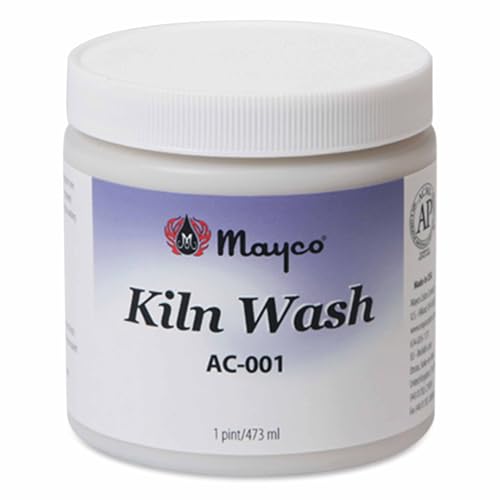
Catch drips and protect your kiln shelves.

Test your glazes on fired tiles before committing.
Check discounted items inPottery Glazing Supplies
Frequently Asked Questions
What Causes Metallic or Dull Spots After Firing?
Metallic or dull spots after firing appear when you apply glaze unevenly, fire too fast, or expose the piece to kiln contamination. The most common cause is a too thick glaze layer that shifts during the melt, so always apply two thin coats instead of one heavy coat.
Let each coat dry completely before adding the next. This simple step prevents pinholes and bare patches.
Fire at a slower ramp rate, especially between 1500°F and 2000°F, to let bubbles escape cleanly. Don’t skip a soak period at peak temperature, then control cooling to under 100°F per hour until 500°F.
For stubborn spots, check your kiln shelves for old glaze drips and wipe them with a kiln wash. A clean firing environment and consistent thickness are your best fixes.
If spots persist, test a small tile with the same clay and glaze combo. Adjusting your process today will save you from wasted pieces tomorrow.
How Long Should the Cooling Cycle Last for Crystals?
The cooling cycle should last between 10 and 20 hours, from peak temperature down to near room temperature, to allow crystals to form properly. Rushing this slow process can shatter the delicate structures you are trying to grow, so treat it like a gentle waltz, not a race.
For a concrete tip, set your kiln to drop no more than 50 degrees per hour, then leave it sealed overnight. This “annealing” step is key for stress relief and a clear, geometric bloom.
If you notice cracks or cloudy spots, your cooldown was likely too fast, so add an extra 5 hours next time. For more details, search for “crystal growth ramp schedule” to fine-tune the rate for your specific glaze.
Can I Mix Two Different Mayco Crystal Glazes Together?
Yes, you can mix two different Mayco Crystal Glazes together, but only if you accept the risk of unpredictable crystal growth and color shifts.
Test small batches on spare tiles before touching your project, because different fluxes and suspending agents can chemically clash and ruin a piece.
For a concrete tip, blend no more than 10 percent of one glaze into the other, then fire a test tile at your normal cone and note the melt and crystal pattern.
Search for “glaze compatibility testing” to learn how to check for fit issues like crazing or shivering.
Do not expect reliable results without extensive experimentation, so treat any mixed batch as a one-off art piece, not a repeatable finish.
Do These Glazes Require a Special Kiln Atmosphere?
No, these glazes do not require a special kiln atmosphere, just standard oxidation firing like most hobby glazes. You can skip any worry about gas, reduction, or other mystical setups, your everyday electric kiln is perfectly fine.
The real difference comes from the cooling ramp, not the air. After your glaze firing peaks, slow the cooling down between 1500°F and 1900°F to allow crystals to form properly.
Try holding the kiln at 1700°F for 30 minutes before letting it drop naturally. This simple step boosts gloss and color depth more than any atmosphere tweak.
If your kiln has a digital controller, program a 60 minute controlled cool segment. For manual kilns, just crack the lid slightly after the temperature drops below 1400°F to avoid thermal shock.
Related to “firing schedule,” this slow cool technique is your best tool. If you see bubbling or dull spots, it is usually cooling too fast, not a gas issue. For health concerns about fumes, always vent your kiln properly, but otherwise, relax and enjoy the process.
Is It Necessary to Sieve Crystal Glazes Before Use?
Yes, you absolutely must sieve crystal glazes before use to keep your applicator clog-free and your surface even.
Sieving breaks up lumps that otherwise cause streaks, pinholes, or rough patches in the final finish. Take 30 seconds to push the glaze through a fine mesh strainer into a clean cup, and you will save yourself a messy redo later.
For best results, sieve twice if the glaze has sat on the shelf for more than a week. This step also helps with crystal distribution, so the sparkling effect looks uniform across the whole area.
Use a dedicated strainer for glaze only, since residue from other materials can contaminate the mix. In my experience, a quick stir before sieving makes the process smoother and reduces waste.
If the glaze seems overly thick even after sieving, add a tiny splash of water, but never skip the straining step. For health concerns about glaze dust, check with your vet if your pet ingests any dried flakes.
Rounding Up
The best crystalline and specialty effect glazes reward potters who master slow cooling, not speed.
Treat each firing like a slow waltz, and you will see crystal fireworks, but only if you plan your ramp down carefully every time.
Today, test a reliable pick like Mayco’s Indigo Rain for around $20, and check how it pops on a mug.
Do not skip test tiles, because your kiln isn’t a mind-reader, so write down every result before adjusting your schedule.
Compare your cooling rates against the article’s advice: fast fires make flat results, so slow the drop over the same hours it suggests.
Patience pays off, and the wait is the real ingredient.
Accept the wait, and you’ll be the wizard of your workshop.