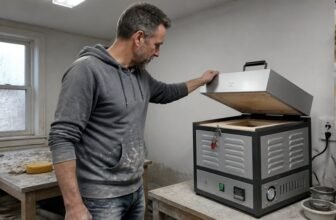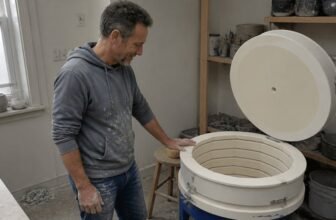
Kiln elements usually last between 100 and 200 firings, but the exact lifespan depends heavily on how you fire.
If you are a cone 10 regular or you love long soaking schedules, you have likely noticed your coils sagging or your kiln struggling to reach temperature faster than expected.
That wear comes from heat and time oxidizing the wire, so think of each high-fire hour as spending from a fixed budget.
This article covers what shortens element life, the typical replacement cost, and the warning signs to watch for, like resistance jumps over 10 percent.
You will also get practical tips for stretching those firings further without changing your clay body or glaze routine.
Let us start with the biggest factor: the temperature you fire to.

Rebuild sagging coils with the alloy trusted for cone 6 firings.

High-fire alloy resists oxidation and lasts longer under cone 10 stress.

Drop-in coils restore even heat and cut firing times fast.
Check discounted items inKiln Elements
Quick Answer
- Pottery kiln elements typically last 100 to 200 firings, depending on heat and maintenance.
- Cone 6 firings yield about 100 firings, while low-fire can exceed 250.
- Cone 10 firings cut lifespan to roughly 50 due to aggressive oxidation.
- Long soaks at high cones reduce life from 100 to 60 firings.
- Proper venting and debris cleaning can extend element life to 150 plus.
What’s the Real Lifespan of Kiln Elements?
Ask any potter about kiln element life and you’ll get a shrug, a sigh, or a story about a kiln that died right before a deadline. Most elements last between 100 and 200 firings, but that range hides more variables than a glaze chemistry test.
Ask any potter about kiln elements—you’ll get a shrug, a sigh, or a story of a kiln dying before the deadline.
Element lifespan hinges on firing temperature, kiln power, and maintenance habits. Kanthal A-1 handles cone 6 well, while APM survives cone 10 longer.
Firing practices like soaks and slow ramps chew through wire faster. Low-fire bisque-only studios might see 250 firings, but production shops replace sets every six months.
Budget for $200–$400 per element set, depending on kiln size. Treat elements like tires: inspect regularly, vacuum the channels, and expect replacements when firing times creep up.
Does Firing Hotter Kill Elements Faster?
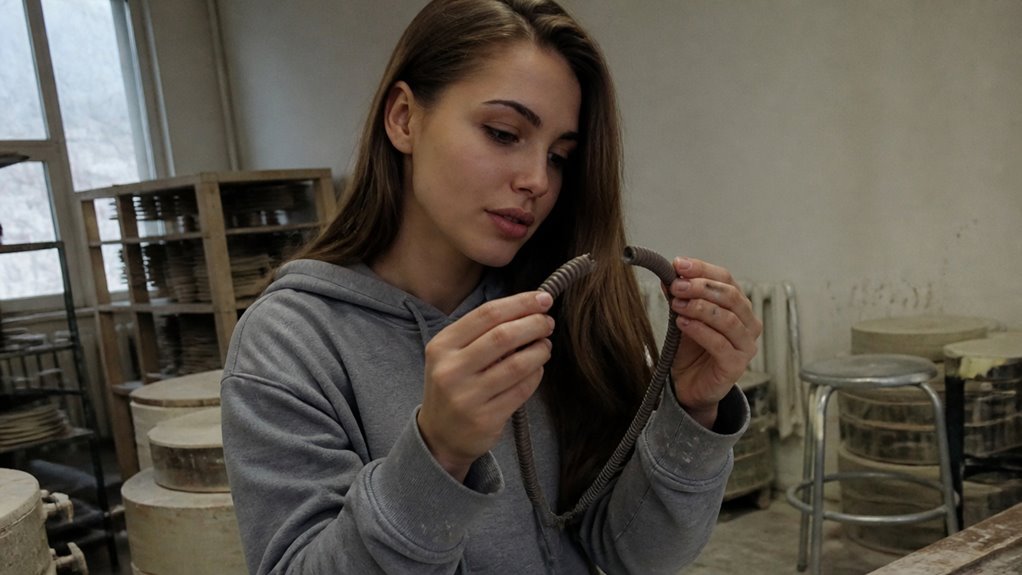
Firing hotter kills kiln elements faster. It’s one of the most reliable rules in ceramics.
Elements oxidize aggressively above 1832°F, and that corrosion shortens their lifespan. At cone 6, around 2266°F, expect about 100 firings.
Push to cone 10, near 2377°F, and that drops to maybe 50. Higher firing temperature means more stress, more sag, more wear.
It’s like running a car engine at redline. It works, but not for long.
If you fire regularly at cone 10, budget for replacements sooner. Low-fire potters might stretch past 250 firings.
Match your firing temperature to your actual needs. Your elements and wallet will thank you.
How Do Your Firing Habits Shorten Element Life?
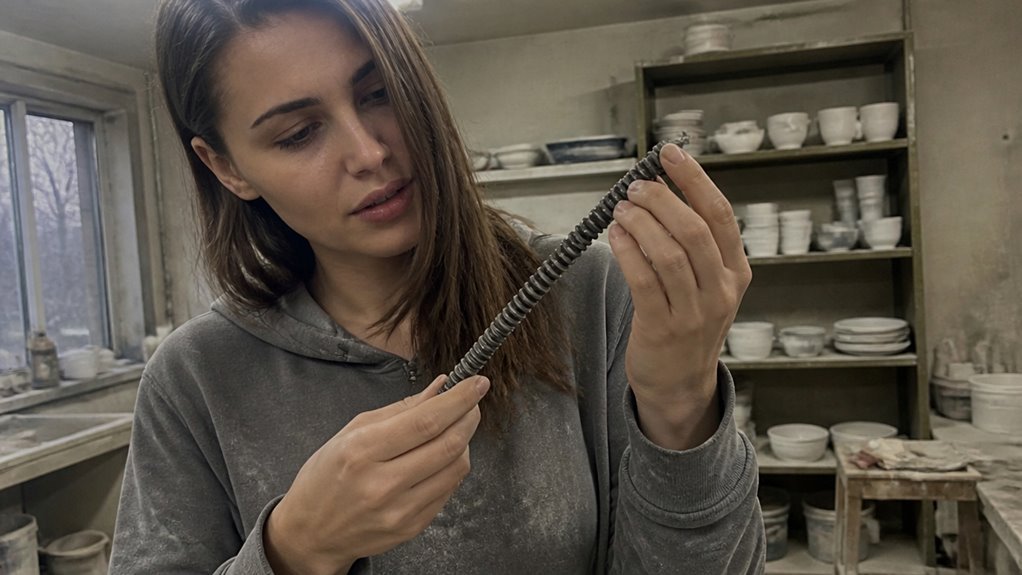
Temperature alone doesn’t kill elements, but firing habits do. Long soaks and slow ramps at high cones cause the real damage. Holding at cone 6 for an hour doubles oxidation rates compared to a straight rise, cutting lifespan from about 100 firings to 60.
Firing damp greenware without proper candling lets steam attack the alloy. Poor ventilation lets corrosive glaze fumes linger, which speeds up the same damage.
Short, hot bursts are easier on elements than long sessions. A cone 10 firing with a two-hour hold invites early burnout. Keep ramps steady, skip unnecessary holds, and crack the lid during outgassing.
Treat high-temperature time like a budget. Spend it wisely, and your elements will last longer, saving you replacement costs.

Soft bristles clear ash and debris without damaging heating coils.

Slim tip reaches deep channels to remove corrosive buildup.

Attach to your shop vacuum to suck dust from element grooves.
See today's best deals onKiln Cleaning
Kanthal A-1 vs. APM: Which Upgrade Is Worth It?
Kanthal A-1 and APM elements come down to how hot you fire and how often. If you are a cone 6 regular, stick with A-1: it is cheaper and does the job fine.
For cone 10 work or long glaze soaks, APM’s element chemistry handles the heat better. APM costs about 30–40 percent more, but lasts nearly twice as long under high-fire stress, which is a solid trade for production potters.
A-1 also sags sooner under repeated high heat. Weekend warriors can skip the upgrade.
Serious high-fire users will get their money back from APM over time. My own kiln is a cone 6 girl, so I save my cash for more clay.
Match your elements to your real firing habits, not the ones you wish you had.
5 Warning Signs Your Kiln Elements Need Replacing
Your kiln is telling you it is tired, and the first warning signs are visual ones: coils that sag, bulge, or lean out of their channels.
Firing times start creeping up, which means the elements are struggling to produce the same heat they used to.
The real technical giveaway is when element resistance jumps over ten percent. At that point, replacing them is just paying for lost time.
Sagging or Bulging Coils
Open the kiln lid after a firing, and the elements might look tired. Sagging coils, drooping from their grooves, are a classic red flag.
When a coil loses its support, it can’t maintain the tight, consistent loop needed for even heat. It works like a slouching spine: functional, but not great.
Poor element channel fit speeds this up. If the coil shifts or bulges out of its slot, it risks touching the kiln wall or shelf.
That means shorts, hot spots, and a shorter life. You might pin the coil back up temporarily, but that’s a bandage.
A sagging coil is telling you it’s done. If you see bulging, replace the elements before your next firing.
Your glaze results will thank you.
Extended Firing Durations
A glaze firing that creeps from two hundred fifty minutes to three hundred is your first real clue. Extra minutes mean prolonged heat exposure, which shortens element life.
Longer ramps and soaks increase thermal stress on the coils. An older kiln with poor heat retention only makes them work harder.
You are not just waiting longer. You are baking the elements hotter for longer.
Watch those timers. A fifteen-minute delay here and a twenty-minute hold there add up fast.
Eventually, your glaze schedule becomes a guessing game. That is when the elements are crying uncle.
Track your firing times religiously. If the clock keeps creeping, budget for new coils pronto.
Resistance Above Ten Percent
Ten percent might not sound like much, but for a kiln element, it is the difference between a reliable firing and a frustrating guess. When resistance climbs past that mark, heat output drops noticeably, and your glaze results become a dice roll.
Grab a simple ohmmeter and check each element cold. Disconnect power, touch the probes to the element ends, and compare the readings to the manufacturer’s baseline.
If you see a jump above 10%, replacement isn’t optional; it’s math. A sagging element might limp along, but it’ll cost you time and firings.
Budget for a new set, roughly $50 to $150, and swap them before your next cone 6 batch. Otherwise, you’re just paying for electricity to heat a problem.
Check early, check often, and your kiln will thank you.
5 Maintenance Habits That Prevent Premature Burnout
Vacuuming the element channels and ensuring the kiln vents properly during firings is a cheap way to prevent early burnout. These two habits stop corrosive ash and trapped dampness from chewing through the heating wire.
Skipping this maintenance means paying for new elements ahead of schedule. Keep the kiln clean and vented, and the wire lasts longer.
Vacuum Element Channels
Regular vacuuming is the cheapest insurance your kiln will have, and it costs about the same as a cup of coffee in time.
Debris in element channels traps corrosive residues from clay and glazes, directly harming element health. That buildup also blocks airflow, making your elements run hotter to reach temperature, which speeds up oxidation and burnout.
Grab a soft brush attachment and give each channel a once-over after every ten firings. No fancy tools, no chemicals.
Five minutes of vacuuming beats a hundred dollars of replacement elements, every single time. Do it, and your kiln will thank you with fewer surprises.
Vent During Firings
Closing a kiln all the way during firings turns it into a slow-cooking science experiment you didn’t sign up for. Proper airflow isn’t just about comfort—it’s about keeping your elements alive.
When clay releases dampness, sulfur, and carbon, those gases turn corrosive at high heat. Without extraction, they attack the Kanthal wire, thinning it faster than a cheap t-shirt in a hot dryer.
Open the lid a crack during candling and early bisque. Switch to the damper or vent system once you hit 1000°F.
That habit can push element life from around 100 firings toward 150 or more. Consider it giving your kiln a chance to exhale.
Let it breathe, and it will keep heating longer. Skip it, and you’ll pay for replacements early.
Vent. It’s cheap insurance.

Removes corrosive fumes and moisture that shorten element life.

Boosts airflow to stop glaze fumes from attacking heating wire.

Replaces worn ducting to keep fumes moving away from elements.
Browse discountedKiln Ventilationon Amazon
Frequently Asked Questions
Can I Extend Element Life With New Wiring?
Yes, you can extend element life with new wiring, because reducing electrical resistance at the connections is key. When you upgrade to a thicker gauge wire, you cut down on heat buildup that slowly attacks the element.
Make sure each terminal screw is clean and tight, then check the manufacturer’s instructions for the recommended torque. A loose connection creates arcing, which is the main culprit behind premature hot spots.
For a practical tip, re-tighten all wiring connections before every glaze firing, as thermal cycling loosens them over time. This simple habit also protects the relays and contactors in your control panel.
Related terms like “proper wire sizing” help when troubleshooting burnout. In my experience, most element failures stem from poor terminations, not the wire itself. Keep the circuit path cool and stable, and your kiln will reward you with longer firing life.
Do Digital Controllers Affect Element Longevity?
Yes, digital controllers affect element longevity, though the net effect is usually positive. Wide temperature swings from poor programming can cause roughly 100 fewer firings at cone 6 due to accelerated oxidation, but precise ramps often extend element life by reducing unnecessary holds.
For longer-lasting elements, program a slow cooling segment instead of letting the kiln crash down after peak temperature. This gentle drop cuts thermal stress, which is the main culprit behind element embrittlement.
Look up “kiln element resistance testing” to check wear with a multimeter before failures occur. In my experience, replacing elements early, when resistance shifts more than 10%, is cheaper than risking a mid-fire burnout. Always confirm ramp rates with your kiln manufacturer’s manual.
How Do I Measure Element Resistance Accurately?
To measure element resistance accurately, disconnect kiln power and leads, then place your ohmmeter probes directly on the element terminals. Record the cold resistance reading and compare it to the manufacturer’s specifications for your specific kiln model.
A 10% increase from the baseline indicates normal wear, while a larger jump often means the element is nearing failure. For the most reliable result, always test the element when it is completely cool, as heat alters the resistance value and gives a false reading.
Check your kiln’s manual for the exact baseline resistance, since element length and gauge change this number. If you notice uneven heating, measure each element separately and compare the readings, as this helps pinpoint which coil is the culprit. For a related term, search “kiln element continuity” to find troubleshooting guides. In my experience, keeping a simple log of each element’s baseline makes future checks faster and more accurate.
Are Used Kiln Elements Worth Replacing or Buying?
Yes, used kiln elements are worth replacing or buying, but only if you understand the tradeoff between cost and performance.
Used elements invite a gamble on corroded time, yet they can still serve hobbyists who fire infrequently. Low-fire users may profit from the savings, but production potters should buy new for reliable, consistent heat.
Check your firing schedule first: if you bisque or glaze less than once a week, used elements often work fine. Measure resistance with a multimeter and compare it to the manufacturer’s spec before installing, or you risk uneven firing.
For heavy use, new elements are the safer bet, as they hold temperature better and last longer. Search for “kiln element resistance testing” to learn the exact procedure for your model.
In my experience, matching element age in pairs is key, so replace all or none. Always verify your kiln’s manual for the correct resistance range, and never guess on electrical safety.
Will Kiln Venting Really Prolong Element Lifespan?
Yes, kiln venting will prolong element lifespan by reducing corrosive gas exposure during the outgassing phase, which directly slows element wear.
However, placement matters. A vent positioned near the flue or damper pulls fumes away from the elements more effectively than one tucked in a corner.
High-fire schedules still degrade elements faster than low-fire, even with good ventilation. For a practical tip, keep your kiln vent running for at least 30 minutes after you shut off the heat to clear residual moisture and sulfur gases.
Check your kiln manufacturer’s instructions for the ideal dwell time at your top temperature. Consistent venting also cuts down on kiln wash buildup, a common cause of element hot spots. In my experience, pairing a vent with slower ramp rates gives the most noticeable element savings over time.
Rounding Up
Pottery kiln elements last anywhere from 100 to 200 firings for Kanthal A-1, though fewer if you chase cone 6 daily. APM elements can stretch that to 300-plus firings.
Check your kiln for glowing hot spots, slow ramp times, and erratic temperature holds. Write down your firing count and compare it to the 100 to 200 figure if you use standard elements.
Ventilate the kiln, avoid overfiring, and clean kiln wash regularly to treat them gently. Test the ramp times at cone 6, and ask yourself if the $150 APM upgrade makes sense for your workload.
Replace elements proactively, not reactively, and your kiln repays you. A dead element just stops delivering heat, so plan ahead.