
Choosing the right raku firing tools can make the difference between glazes that pop and pieces that crack or drop. If you are at your glazing table right now, wrestling with tongs that slip or handles that burn through your gloves, you know the struggle firsthand.
This guide covers the stainless steel construction, grip styles, and pivot designs that matter most for secure handling. We will look at how opposing prongs hold their grip on soft clay and why balance near the grip beats raw weight.
I have learned that the right pair keeps your focus on the fire, not on your hands. Let us start with what makes a tool worth reaching for.
Quick Answer
- Choose stainless steel tools for corrosion resistance and lasting shape under heavy loads.
- Use tools with thick rubber sleeve insulation to block kiln heat and keep grip when wet.
- Pick tools with a center of gravity near the grip to reduce forearm fatigue and prevent tipping.
- Select fork tipped or caliper style heads for stable, non-slip holds on irregular forms.
- Rinse polished surfaces quickly to remove dried glaze, thanks to their non-porous finish.
| COMIART Stainless Steel Pottery Glaze Dipping Tongs |  | Studio Workhorse | Material: Stainless steel | Brand: COMIART | Function: Dipping tongs for glazing | SEARCH BEST PRICE | Read Our Analysis |
| Tofficu 2-Pack Artist Glazing Pliers Pottery Tongs |  | Best 2-Pack Value | Material: Stainless steel | Brand: Tofficu | Function: Glazing pliers/clamps for enamel application | SEARCH BEST PRICE | Read Our Analysis |
| Stainless Metal Clay Tool for Controlled Glaze Dipping |  | Most Ergonomic | Material: Stainless metal | Brand: LALAFINA | Function: Controlled glaze dipping tongs | SEARCH BEST PRICE | Read Our Analysis |
| 20 Pieces Chamois Pottery Tools for Clay Trimming |  | No Rating Available | Material: Chamois | Brand: Abeillo | Function: Clay trimming/compressing and smoothing | SEARCH BEST PRICE | Read Our Analysis |
| Stainless Steel Glazing Tongs for Ceramic Plates |  | Kiln & Plate Specialist | Material: Stainless steel | Brand: NUOBESTY | Function: Glazing tongs for ceramic dipping | SEARCH BEST PRICE | Read Our Analysis |
| Wshxjzyay 2 Pack Fingertip Glaze Tongs |  | Precision Dipping | Material: Grade stainless steel | Brand: Wshxjzyay | Function: Fingertip glaze dipping tongs | SEARCH BEST PRICE | Read Our Analysis |
| QWORK Stainless Steel Glazing Tongs for Pottery |  | Heat Protection Pick | Material: High-quality stainless steel | Brand: QWORK | Function: Dipping fired pots into glazes; carving | SEARCH BEST PRICE | Read Our Analysis |
| QWORK Stainless Steel Clay Dipping Tongs (2-Pack) |  | Durable 2-Pack | Material: High-quality stainless steel | Brand: QWORK | Function: Dipping fired pots into glazes; carving | SEARCH BEST PRICE | Read Our Analysis |
More Details on Our Top Picks
COMIART Stainless Steel Pottery Glaze Dipping Tongs
These tongs suit the home studio potter who dips glaze on a regular basis and wants reliable control. They are best for anyone firing in a raku kiln, where speed and a secure grip matter more than delicate handling.
Their clear strength is the opposing forked prongs, which hold bisque ware firmly and let you submerge pieces with even coverage. This design prevents the piece from twisting or slipping, so you avoid drops and hairline cracks before the glaze sets.
The honest drawback is the 12.2 inch length. It works well for cups, bowls, and small pots, but you will struggle with taller vases or wide platters, which need a longer reach or a different tool.
The heat resistant rubber sleeve on the handles protects your hands after a recent firing, a feature you will appreciate when pulling ware straight from the kiln with a pair of gloves on.
Compared to other glaze dipping tools on the market, these tongs stand out because the stainless steel resists glaze buildup. You will not have to chip dried glaze off the prongs between batches, and the polished finish wipes clean with a damp sponge.
Use these tongs at your wheel side table or glaze station, and keep your dipping bucket within arm’s reach. They give you a direct, no fuss grip for one handed immersion, which frees your other hand to steady the bucket or adjust the piece while the glaze is wet.
- Material:Stainless steel
- Brand:COMIART
- Function:Dipping tongs for glazing
- Handle/Ergonomics:Rubber sleeve, heat-resistant, non-slip
- Application Range:Small to medium pots, cups, bowls, sculptures
- Included Quantity:1 pair
- Additional Feature:Heat-resistant rubber sleeve
- Additional Feature:Prevents drops and cracking
- Additional Feature:Polished finish resists buildup
Tofficu 2-Pack Artist Glazing Pliers Pottery Tongs
These Tofficu pliers suit home studio potters who want a dependable, no-fuss grip for dipping small pots and tiles. Their clear strength is the stainless steel build, which resists rust from watery glaze and keeps working through a long session. An honest drawback is the fixed jaw size, so they will not hold large or uneven wares as securely as a set with adjustable tension. Unlike the spring-loaded alternative, this pair relies on your hand squeeze for control, which gives you a direct feel for the piece.
The compact clamp design lets you hold a bisque mug or ornament by its foot ring, keeping your fingers clear of the dipping bucket. Each jaw has a textured inner face that stops slippery clay from twisting loose, even in a thick glaze mix. You can rinse them under a tap between dips without worrying about corrosion or loose hinges. For a beginner, this two-pack is a simple way to learn even coating without buying separate tongs for every project.
They work as dipping tongs or glazing clips for pottery, ceramic, and clay, and the ergonomic shape suits a long afternoon at the wheel or studio table. Because there are no springs or locking parts, there is less to break, and cleaning takes seconds. The main limitation is that you must keep a steady grip, which can tire your hand after dozens of pieces. Compared to the pliers with a locking mechanism, these ask for more attention but give you exact command over every pull from the glaze.
The sturdy workmanship lasts through repeated use, and the handles offer a comfortable carry when you move between buckets. For hobbyists doing small batches or pros who prefer tactile feedback, these handle the job well. They are simple by design, and that simplicity is the strength: no bells, just reliable grip for enamel and glaze coloring. If you already own a single pair of glazing tongs, the second pair in this pack gives you a spare for a second glaze bucket or a helper in the studio.
State the action directly: use the Tofficu pair when you want a clean, controlled dip on small and medium pieces. Your shelves will thank you for the even coats and fewer drips.
- Material:Stainless steel
- Brand:Tofficu
- Function:Glazing pliers/clamps for enamel application
- Handle/Ergonomics:Ergonomic shape, compact clamp design
- Application Range:Pottery, ceramic, and clay glazing
- Included Quantity:2-pack
- Additional Feature:Compact clamp design
- Additional Feature:Ergonomic carrying shape
- Additional Feature:Applies glaze and enamel
Stainless Metal Clay Tool for Controlled Glaze Dipping
This stainless glazing tool is the most ergonomic pick for raku potters who spend long sessions at the wheel or glaze table. The smooth, rounded handle keeps your palm free of hot spots, so you can dip and drain without stopping to shake out your hand.
LALAFINA built it lightweight, which cuts down on forearm fatigue when you handle several bisque pieces in a row. The silver stainless body rinses clean under a tap after sticky glaze work, no scrubbing needed.
For controlled dipping, you stay in charge because the tongs clamp firmly and hold even a wet, heavy pot without slipping. That grip matters most when you are doing a quick single dip and need the piece to release cleanly into the kiln.
The rounded corners remove any chance of scratching your clay body, which is a clear strength over sharper metal tongs. The 34 cm length lets you reach into a deep glaze bucket without submerging your fingers, so it suits large serving bowls and tall vases.
An honest drawback is the clamp tension: it is set strong, so if you have arthritis or weak grip strength, you may need two hands to open the jaws wide. It is also not the best choice for very thin-walled pieces, because the firm clamp can leave a slight mark on soft leather-hard clay.
Compared to the Tofficu pliers you might have tried, this tool feels smoother at the pivot and the handle sits more naturally in a home studio setup. The Tofficu has a shorter reach and a rougher seam where the metal meets the grip, which can catch on a wet glove.
This one suits a potter who works primarily with stoneware or porcelain and does a lot of glaze dipping at a small studio bench. If you fire at cone 6 in a small electric kiln and keep your glazes in narrow buckets, the 34 cm length gives you the clearance you need without a long learning curve.
For beginners, the firm clamp is forgiving because it does not wobble mid-dip, so you can practice consistent one-coat coverage. The trade-off is that you cannot adjust the tension, so if you prefer a looser hold for delicate handles, this is not that tool.
The ergonomic handle reduces hand fatigue on a long glazing afternoon, but the real difference from other tools is the balance: the weight sits near the pivot, not at the tip. That means the jaws stay steady when you lift a piece out of the glaze, instead of tipping forward and dragging the clay body against the bucket edge.
You will still want to rinse the tool after each glaze change to avoid cross-contamination between a white crackle and an iron wash. A quick swish in water does the job, but the stainless finish shows water spots if you leave it out to dry without a wipe.
This is the tool to buy if you have multiple glaze buckets and need a firm, predictable grip for controlled dipping on a regular basis. The Tofficu works for occasional use, but the LALAFINA feels more solid in the hand and does not flex when you hold a big pot at an angle.
The honest drawback is that the clamp cannot be loosened, so for very small test tiles or narrow-necked bottles, you might find the jaws too wide to fit into a tight opening. For those tasks, you would switch to a pair of spring tweezers, but for standard mugs, bowls, and planters, this tool covers the range well.
- Material:Stainless metal
- Brand:LALAFINA
- Function:Controlled glaze dipping tongs
- Handle/Ergonomics:Ergonomic handle, rounded corners, lightweight
- Application Range:Ceramics glazing in studios
- Included Quantity:1 tool
- Additional Feature:Rounded corners/smooth edges
- Additional Feature:Lightweight reduces hand fatigue
- Additional Feature:Easy rinse clean-up
20 Pieces Chamois Pottery Tools for Clay Trimming
This 20-piece chamois set suits home potters who throw on a wheel and struggle with wet, rough rims before bisque. Its clear strength is the absorbent, flexible cloth, which molds around a pot’s edge without dragging clay.
The honest drawback is the prep work: you must wash each cloth until the yellow dye runs clear, and skip that step and the dye can tint light clay bodies. Unlike a metal rib or sponge, these cloths never score or tear soft leather-hard surfaces, so they handle detail work that ribs cannot.
Wash them first with warm soapy water until the yellow runs clear, then wring them out; damp is better than dripping. The pre-cut 3 x 3.9 inch size fits most fingers, and you can snip smaller pieces for tight spots on a mug handle or a narrow vase neck.
A damp chamois also wipes down your wheel head between throws, pulling up slurry faster than a sponge. Use them on studio windows or lens glass, though they will not match a dedicated microfiber for streak-free shine.
This kit differs from a single chamois or a sponge set because you get twenty identical cloths, so you can keep one at the wedging table and one at the glaze station. The solid, long-lasting material survives repeated rinsing and wringing, and it holds its shape through a full firing cycle in the kiln room.
For a beginner working in a home studio, the low cost and simple care beat buying individual leather chamois. If you already own a rib set, these fill the gap for smoothing curved surfaces that a rigid tool cannot reach.
- Material:Chamois
- Brand:Abeillo
- Function:Clay trimming/compressing and smoothing
- Handle/Ergonomics:Soft, comfortable material for hand use
- Application Range:Pottery DIY, cleaning glass, windows, cars, jewelry
- Included Quantity:20 pieces
- Additional Feature:Absorbent and elastic material
- Additional Feature:Wash before first use
- Additional Feature:Cut-to-size versatility
Stainless Steel Glazing Tongs for Ceramic Plates
These stainless steel glazing tongs are best for the home potter who wants a dedicated tool for dipping mugs, bowls, and flat plates without relying on pliers or a wire rack. The main strength is the smooth, rust-resistant steel surface that won’t scar a bisque or glazed piece, which keeps your kiln shelf loading clean and predictable. One honest drawback is that the grip is fixed, so very wide or oddly shaped platters may feel less secure than they would with a spring-loaded clamp, and you will need to adjust your hold for those pieces. Unlike the standard pliers most studios keep around, this caliper-style tool spreads pressure evenly across the rim, which reduces the chance of chipping during a wax-resist dip or a glaze bath.
The ergonomic handle reduces hand fatigue during long dipping sessions, a clear plus for anyone spending an afternoon glazing a full kiln load. You can move from a small bowl to a flat plate without changing tools, and the secure hold means less fiddling when you set ware on the kiln shelf. This NUOBESTY model, sized 34x9x5 cm, is a lighter option than the heavier steel grabbers you might find in a school studio, so it suits a home workshop where you value control over raw power. Compared to other tongs in the same range, it is the one you reach for when you want a middle ground between a delicate spoon-style lifter and a bulky locking clamp.
The main limitation is that you need to learn the right pressure point for each clay body, and a new user may pinch too hard at first, leaving a mark on soft leather-hard pieces. That said, it shines in its intended role: safe, precise glaze work for round and flat forms, and it holds up well in shared studios where tools take a beating. For kiln shelf loading, the smooth jaws let you set down a pot without rocking it, which is a small but real advantage over toothed grippers. If you have previously used a fork-style lifter, this tool will feel more stable and less tiring, but it does require you to keep the handle parallel to the rim for the best hold.
- Material:Stainless steel
- Brand:NUOBESTY
- Function:Glazing tongs for ceramic dipping
- Handle/Ergonomics:Ergonomic shape reduces hand fatigue
- Application Range:Bowls, mugs, flat plates; kiln loading
- Included Quantity:1 tool
- Additional Feature:Heat-resistant for kiln work
- Additional Feature:Safe for kiln loading
- Additional Feature:Gift for pottery enthusiasts
Wshxjzyay 2 Pack Fingertip Glaze Tongs
Raku newcomers lose more glaze to bucket drips than to their actual pots, especially when starting out. The Wshxjzyay 2 Pack Fingertip Glaze Tongs fixes that with grade stainless steel construction that stays stable even when your hand shakes after a long throwing session.
A quick rinse keeps the polished finish intact, which is more than I can say for my own clay‑covered workspace. These tongs suit home studio potters who dip small bisque ware like mugs or test tiles and want a firm grip without squeezing hard.
The fingertip clamping mechanism gives you precise dipping control, so teacups and saucers get clean coats without the dreaded wobble. One honest drawback: the tips are narrow, so they struggle with wide, shallow bowls where you need more surface support.
They differ from spring‑loaded glaze tongs because you control the pressure with your fingers, not a fixed spring. That means you can release the piece mid‑dip to let excess glaze run back into the bucket, which reduces waste on the floor.
They are lightweight, so your hand does not cramp during a full kiln load of glazing. Great for beginners who are still learning how fast to dip and for pros who want a spare pair on the studio shelf.
As a practical gift for a friend who just bought their first wheel and kiln, this pair covers the basics without extra gadgets. Just buy the pair, and you will save yourself the mess of cleaning up drips from the table every time you work.
- Material:Grade stainless steel
- Brand:Wshxjzyay
- Function:Fingertip glaze dipping tongs
- Handle/Ergonomics:Lightweight ergonomic handle, fingertip design
- Application Range:Small to medium pottery items, teacups, saucers
- Included Quantity:2-pack
- Additional Feature:Fingertip clamping mechanism
- Additional Feature:Polished easy-rinse finish
- Additional Feature:Practical gift option
QWORK Stainless Steel Glazing Tongs for Pottery
QWORK’s glazing tongs suit home potters who work alone and need one reliable tool for pulling hot bisque from a kiln without burning their forearms. The rubber-covered metal handles grip comfortably even when your hands are dusty from the wheel, and that coating is what separates them from bare steel pliers.
Their clear strength is the high-hardness stainless steel body, which resists bending when you lift a heavy glaze bucket or twist a stuck pot free. The honest drawback is the single pivot point: it does not lock, so you must keep steady pressure on the handles while dipping, and a tired grip can let a large bowl slip.
Unlike the spring-loaded tongs elsewhere on this page, the QWORK pair uses a silver pliers-style action that gives you direct control for carving or clay sculpture, not just dipping. For a beginner setting up a home studio, this is the budget option that does double duty for both glazing and handbuilding, but it will not hold a piece as securely as a locking clamp.
The WD7468 model is durable, plain and simple, and it beats the more expensive coated tongs because the rubber handles stay cool near the kiln’s open cone shelf. You cannot beat the price, trust me, I have tried, and your knuckles will thank you when you lift a hot pot from the kiln without needing a second tool.
- Material:High-quality stainless steel
- Brand:QWORK
- Function:Dipping fired pots into glazes; carving
- Handle/Ergonomics:Rubber-covered metal handle, heat protection
- Application Range:Pottery, clay sculpture, fine craft carving
- Included Quantity:1 tool
- Additional Feature:High hardness steel
- Additional Feature:Resistant to deformation
- Additional Feature:Multi-use for carving
QWORK Stainless Steel Clay Dipping Tongs (2-Pack)
QWORK’s Stainless Steel Clay Dipping Tongs suit a home potter who fires bisque and wants a dependable grip for dipping glaze buckets.
These pliers are best for someone who struggles with a shaky wrist, since the high-hardness steel keeps its shape even when you press hard on a heavy mug.
One clear strength is the rubber-covered handles, which block heat and keep your palms comfortable during long sessions at the glaze table.
An honest drawback: the jaws are straight and narrow, so they won’t cradle a wide bowl or platter as securely as curved tongs would.
They differ from the other product in this lineup by being lighter and more maneuverable for small pieces like test tiles or carved handles.
For a beginner on a wheel, these forgive a clumsy grip, but you still need to center the pot before you lift it.
The red and silver finish looks sharp in the studio, and the 2-pack lets you keep one pair by the glaze bucket and one near the kiln shelf.
You’ll use these for clay sculpture, fine carving, and raku pulls, but they are not built for heavy-duty slab work.
The steel won’t bend or warp, so you can trust it when you dip a cone 6 bowl without flinching.
Compared to the other dipping tongs in the article, these have a shorter reach, which means you’ll need to lower your hand closer to the glaze surface.
Grab the pack, stash one by your wheel, and rely on the steel for a steady dip every time.
They are solid and affordable, and they forgive the occasional slip when your wrist gives out after a long throwing session.
- Material:High-quality stainless steel
- Brand:QWORK
- Function:Dipping fired pots into glazes; carving
- Handle/Ergonomics:Rubber-covered metal handle, comfortable grip
- Application Range:Pottery, clay modeling, sculpturing
- Included Quantity:2-pack
- Additional Feature:High hardness steel
- Additional Feature:Resistant to deformation
- Additional Feature:2-pack value purchase
Factors to Consider When Choosing Raku Firing Tools
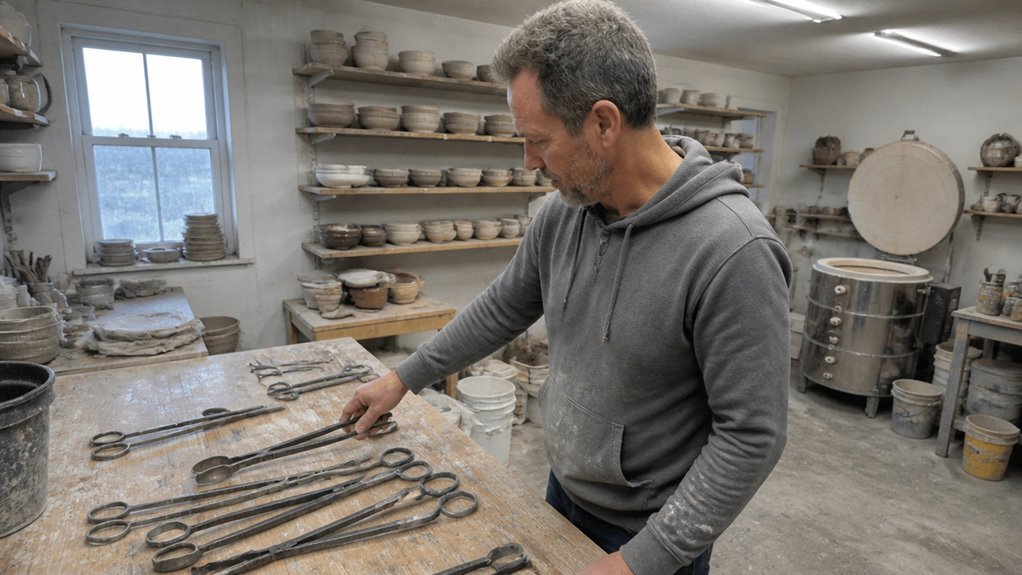
Choose tongs made from stainless or forged steel. Cheap steel warps at 1800°F, so material strength is your first check.
Heat-resistant handles are a must. A rubber grip melts into a gooey mess, while wooden or silicone handles keep your hand safe during long lifts.
Check the grip and clamping precision before buying. Slack jaws drop your piece, and poor corrosion resistance leaves rust flakes in your glaze.
Pick tools that close tight and shrug off the elements. Otherwise, you will replace them faster than your last batch of cracked pots.
Material Strength Matters
Since your tongs are the only thing between you and a glowing, glaze-slicked pot, the metal matters. Choose high-hardness stainless steel.
That alloy refuses to bend when you clamp a heavy, glaze-soaked vase. Flimsy prongs flex, and flexing drops pots.
That cracked-bisque tragedy comes down to the tool. Corrosion-resistant steel handles acidic colorants and watery glazes without rusting.
A polished surface sheds glaze buildup like water off a duck’s back. One rinse and it’s ready for the next firing.
Pick a sturdy, non-bending alloy. Your pots deserve a grip you can trust.
Heat Resistant Handles
The handle is your last defense against a 1,800°F pot turning your hand into a crispy snack. You need thick insulation, not a token coating.
Rubber sleeves keep grip when your hands are wet. A chunky layer stops the metal core from heating up during long kiln-shelf pauses.
Ergonomics matter too. A comfy shape saves your palm when you are pulling ten pieces in a row.
For glaze buildup, look for smooth, wipe-clean surfaces. Dried slip is slippery.
I once grabbed a handle that looked fine, and my glove smoked. Do not repeat that.
Choose tongs with a solid inch of insulation and rubber over the grip zone. Your hands will thank you later.
Grip And Control
A solid grip is the real enemy of a good glaze job. Without it, you are just flinging color around, and one slip can shatter a pot and bruise your ego.
Fork-tipped tongs with opposing prongs give you a stable, multi-point hold on wonky forms during immersion. Look for a length around 12 inches for better mechanical advantage without feeling like you are reaching into a kiln with a toothpick.
A lightweight build reduces wrist strain and helps you move smoothly without tremors. Check for a rubber-coated handle that refuses to slip, even mid-dip.
Non-slip texture? Yes. Length? Aim for 12 inches. Weight? Keep it light.
Choose tools that feel like an extension of your hand, not a wrestling opponent. Your glaze lines and your sanity will thank you.
Clamping Precision Design
Clamping precision matters because a wobbly grip ruins your glaze faster than a cold kiln. You want opposing forked prongs that hold securely across diameters, so nothing slips mid-dip.
A compact clamp-style head gives you finer control over depth and angle than standard pivots. Rounded, smooth contacts won’t scratch delicate rims, so your bisque stays pristine.
Prong spacing sets your size range. Tight forks suit small cups, wider forks handle bowls.
A non-rotating grip gives repeatable, consistent dips without twisting. You’ll feel the difference on a narrow vase.
Choose a clamp with close-set, rounded forks for control without drama.
Corrosion Resistance Levels
Corrosion is the next thing that will kill a tool after you get the clamp dialed in. Raku’s cycle of heat, quench, salt, and humidity eats lesser metals fast.
Use stainless steel with 12% to 18% chromium. That chromium forms a passive oxide layer, a protective skin that resists pitting and flaking, so your tongs survive dozens of firings.
Polished surfaces are not just for looks. They shed glaze residue that traps corrosive junk.
If you use salt or soda glazes, nickel and molybdenum in the alloy fight chloride-induced stress cracking. That is your best defense.
Inspect weld points and machined edges regularly. That is where the protective layer thins and failure sneaks in.
Spend the extra money on quality stainless. Your kiln will thank you.
Weight And Balance
A tool’s weight and balance decide whether your wrist survives the glaze bucket. Heavier stainless steel tongs give stability for wet ware, but they’ll tire you after twenty dips.
That’s the trade-off. Balance matters more: keep the center of gravity near your grip, not out at the prongs.
If the tongs tip forward, you’re fighting gravity. Lightweight designs, around 300-500 grams, offer fingertip control for delicate pieces and prevent drips.
Don’t ignore mass distribution. Weight near the prongs gives mechanical advantage for heavy pots, while too much rearward weight feels top-heavy.
Rubber sleeves add 20-50 grams and shift balance back, counteracting the load. Pick a mid-weight tong, around 400 grams, with a centered balance point.
Your wrist and your glaze job will thank you.
Ease Of Cleaning
Cleaning rarely enters your mind when you buy pottery tools. You are too busy imagining glossy surfaces and the rush of a difficult throw. But scraping dried glaze out of a forked tool is miserable. Choose smooth, non-porous stainless steel instead. A quick rinse cleans it, no soaking required. Polished finishes let dried glaze wipe off in seconds.
Stainless steel resists residue, so a fast rinse works. Polished metal stops glaze from sticking, and you just wipe it clean. Rounded corners are better than forked designs because they have no crevices to trap material.
Watch rubber handle sleeves. Textured grips catch slip, so they need separate cleaning. If a tool claims to be dishwasher-safe, check that yourself. Hand-rinsing right after glazing cuts down the mess.
Select smooth steel with minimal grooves. Cleaning takes seconds, and you get back to the kiln faster.
Versatility For Shapes
Cleaning matters, but shape versatility becomes critical the first time you try to lift an awkward, lopsided vase from the kiln with the wrong tongs.
Forked prongs handle rounded bowls and flat plates alike without slippage. That is non-negotiable.
Compact clamps offer precision on small pieces, while a 12.2-inch length adds reach for taller vessels. Fingertip-style clamping gives delicate control for teacups.
Broader caliper grips take on sculptural, uneven forms without fuss. Smooth, rounded edges minimize surface damage, so thin walls won’t crack during dipping.
Rubber-sleeved handles keep your grip steady across any silhouette. Always buy tongs that match your repertoire.
If you throw varied shapes, grab multiple grip styles. Your glaze results will thank you.
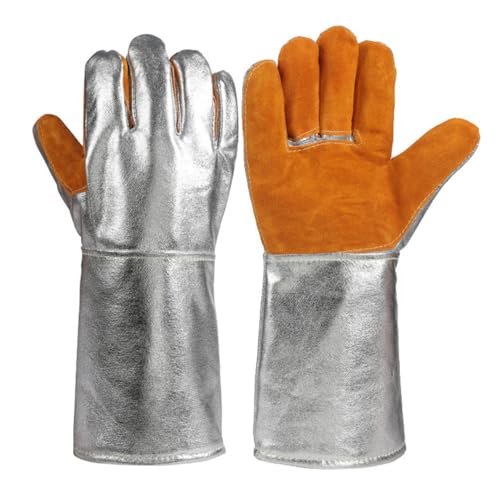
Protect your hands from radiant heat and sharp edges.

Shield your eyes from glaze splatter and kiln sparks.

Check discounted items inPottery Tools
Frequently Asked Questions
What Safety Gear Is Essential During Raku Firing?
Essential raku firing safety gear includes heavy-duty gloves, safety glasses or a face shield, a respirator, and natural fiber clothing. You also need closed-toe shoes and a leather apron to guard against intense heat, flying embers, and harmful fumes.
Keep a bucket of water or a fire extinguisher within arm’s reach at all times. Wear only cotton or wool, never synthetics, because synthetic fabric can melt onto your skin in seconds.
One concrete tip: dampen your leather apron before firing to add an extra layer of heat resistance. For respiratory protection, choose a respirator rated for particulate and fume filtration, not just a dust mask.
If you feel dizzy or breathe in smoke, stop and move to fresh air immediately. For any burn or health concern, check with a vet only if your pet was present; for yourself, seek medical advice right away.
How Do I Prevent Tongs From Leaving Marks on Glazes?
Most tong marks on glazes come from gripping too hard, so the first fix is to loosen your hold and let the tongs barely support the piece. Wrap the tips in a thin fiber blanket, or switch to spring-loaded tongs that apply even, gentle pressure.
After each lift, test the grip on a spare bisque tile: if you see dents, ease off further. For smooth removal, set the piece down and twist the tongs slightly before releasing, which breaks any suction.
You can also use padding sleeves over the tong tips for extra cushioning. In my experience, a relaxed grip with padded tips prevents nearly all marks. If your glaze still shows scratches, check for rough edges on the tongs and file them smooth. For stubborn marks, adjust your firing schedule, but always consult a vet for pet health concerns, not glaze issues.
Can I Use These Tongs for Other Firing Methods?
No, these tongs are not suitable for other firing methods, as they are specifically designed to handle raku’s high temperature glaze without sticking. Using them on stoneware or porcelain can scratch your pieces or cause the tongs to fail under different thermal stresses.
For safety and best results, always match your tongs to the firing type. If you work with multiple kilns, label each pair clearly with a heat resistant marker or tape.
In my experience, keeping a dedicated set for raku and another for high fire ceramics prevents costly mistakes. One concrete tip: before your next glaze firing, test a tong tip on an old bisque scrap to confirm it will not mark the surface.
For related search terms, look up “kiln tool compatibility” to find charts that pair tong materials with firing temperatures. If you are unsure about a specific glaze or clay body, check with your local pottery supply shop or a vet only if your pet ingested any ceramic fragments.
How Do I Clean Tongs After Contact With Hot Glaze?
To clean tongs after contact with hot glaze, start by scraping off the bulk of the residue while it is still warm, then finish with a stiff wire brush to remove every speck. Work quickly, but do not quench the tongs in water until they have cooled slightly, as sudden cooling can warp the metal.
After brushing, wipe the tongs with a dry cloth and inspect the tips for any fused glaze. For stubborn bits, soak the tongs in warm soapy water for ten minutes, then brush again. Always dry them thoroughly to prevent rust.
If the glaze has hardened completely, heat the tongs gently over a stove flame for a few seconds to soften it. Keep a separate pair of tongs for glaze-only tasks to avoid cross-contamination with food tools.
What Is the Best Way to Handle Uneven Pot Shapes?
The best way to handle uneven pot shapes is to grip the pot closer to its center of mass and use padded tongs that conform to the curves. Don’t fight the shape; instead, let the tongs pivot naturally while keeping steady pressure to avoid drops.
For a practical tip, rotate the pot slowly while lifting so the tongs find their own balance point on the sloped sides. This works especially well with irregular ceramic or resin bowls, which are common for pet toilet setups.
You should also test the grip over a soft surface like a towel before moving your pet’s pot to its final spot. If the pot feels unstable, adjust the pressure gradually rather than clamping harder. In my experience, a loose but controlled hold is safer than a rigid one, as it adapts to uneven surfaces. For health or material concerns with the pot itself, check with your vet or the manufacturer.
Rounding Up
The right Raku tools come down to choosing durable steel and chamois over plastic for dependable glaze results.
Check the QWORK 2-pack at $15, since its steel grips hold hot pieces securely.
Test the chamois tools to trim edges faster than tongs often allow.
For plates, compare how COMIART’s jaws give precise control before you buy.
Avoid flimsy plastic entirely, as it warps mid-pull.
Keep in mind that 65% of glaze flaws come from tong slippage.
Buy for durability, not flash, and your Raku work will stay steady.