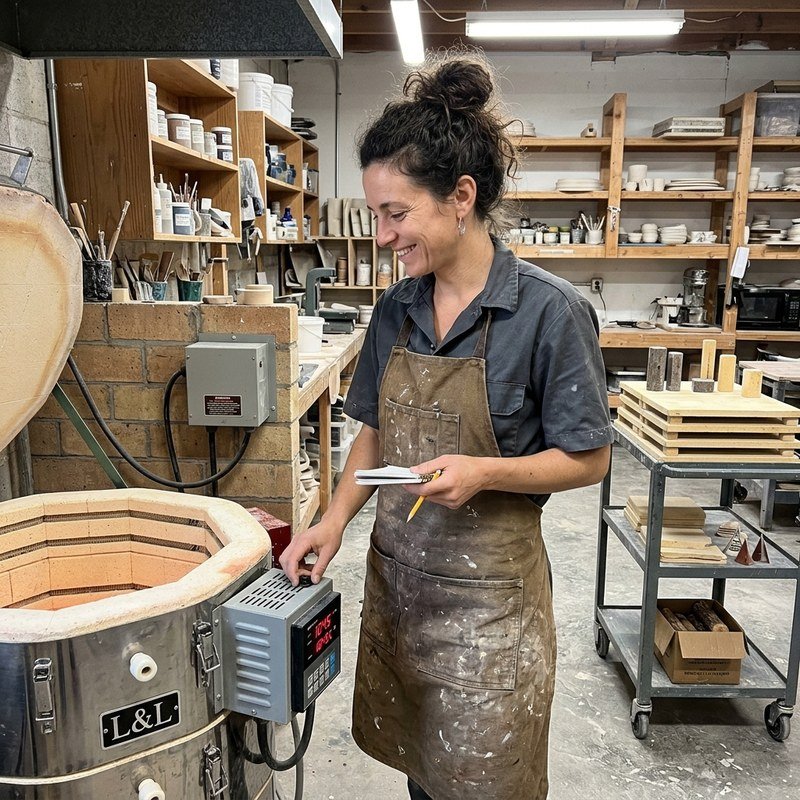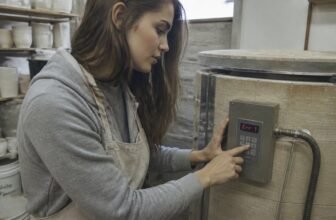
Are kiln fumes dangerous? They can be, and so can the silica dust that’s likely settling on your studio shelves right now. If you’re like me, you’ve probably cracked a window during a bisque firing or wiped down your work table after mixing clay, wondering if that’s really enough.
The truth is, both threats need different responses, and this article breaks down what I’ve learned about protecting my lungs while making pots. We’ll look at how fast-acting fumes from a hot kiln differ from the slow buildup of clay dust in your air.
You’ll also find practical safeguards like ventilation hoods and respirators, plus simple monitors that can warn you before trouble starts. By the end, you’ll know exactly how to assess your own studio setup and make it safer without overhauling your space.

Pulls kiln gases out at the source, before they reach your breathing zone.

Captures silica dust and fumes right where they are created, keeping studio air cleaner.

Adds targeted airflow near the kiln to dilute carbon monoxide and nitrogen dioxide.
Check discounted items inKiln Ventilation Systems
Quick Answer
- Vent kilns properly, since cracked windows cannot prevent acute headache symptoms.
- Monitor carbon monoxide levels, as near kilns they can exceed the 200 ppm safety ceiling.
- Protect your lungs from silica dust, which can cause cumulative damage during clay tasks.
- Install a downdraft vent system to remove kiln gases before they reach your breathing zone.
- Use CO monitors and particle counters, since your nose alone cannot detect kiln fume hazards.
Are Kiln Fumes and Silica Dust the Biggest Airborne Threats?
Kiln fumes and silica dust are both serious hazards, but they harm you in different ways. Fumes hit fast during firing: carbon monoxide, nitrogen dioxide, and volatile organics spike quickly. Silica dust is the quiet grudge-holder, building damage over years of exposure from mixing clay and sanding.
Personal monitoring devices, like a simple air quality sampler, give real-time breathing-zone data, but they only help if you use them consistently. Fumes are acute drama; silica is the long-term silent killer.
Neither wins, but silica’s cumulative toll deserves more respect, and it’s also cheaper to control. Ventilate the kiln area and the mixing space separately, and wear an N95 for dry tasks like weighing glaze ingredients or cleaning greenware.
Check your kiln’s ventilation against the manufacturer instructions and local codes, and follow the same standard for silica dust control in your studio. You don’t get to pick a favorite between the two, so treat both zones with the same care.
How Much Silica Dust Is Too Much in a Pottery Studio?

The NIOSH recommended limit for respirable crystalline silica is 0.05 milligrams per cubic meter of air. That is the fine dust that reaches your lungs, not the gritty sand on your hands. Real studios often spike far past this number during clay mixing.
| Task | Typical Exposure (mg/m³) | Action Needed |
|---|---|---|
| Bag handling | 0.08–0.15 | Wet wipe surfaces |
| Wheel throwing | 0.02–0.04 | Keep damp |
| Glaze mixing | 0.10–0.20 | Use LEV hood |
| Kiln loading | 0.01–0.03 | Minimal risk |
| Sanding bisque | 0.30+ | Full respirator |
Glaze chemistry changes dust toxicity, but silica is silica. Short bursts of 2.0 mg/m³ have been recorded, or forty times the limit. That is education territory, not panic territory.
Respiratory protection like an N95 or P100 is non-negotiable until engineering controls catch up. If you see dust in sunlight, you are over the line.
Fix airflow first, mask second. For ventilation upgrades, follow manufacturer instructions or consult a qualified professional who knows local codes.
Kiln Gas Symptoms: When CO and NO₂ Headaches Signal Danger
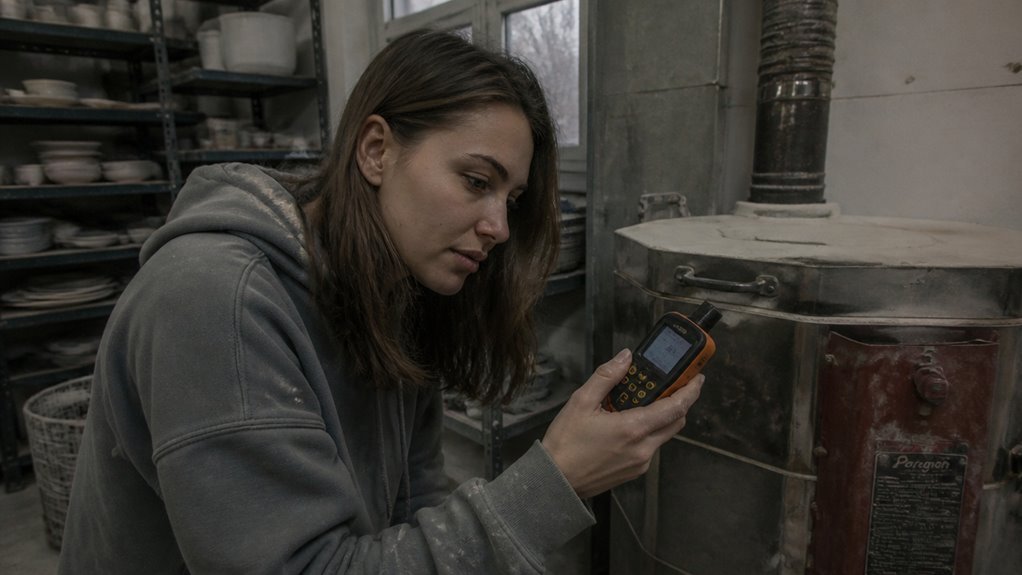
Headache prevention starts with a simple rule: never hover over the kiln during firing. Use a real ventilation strategy, not a cracked window.
A downdraft vent system, costing roughly $500 to $1,000, pulls gases straight out before they reach your lungs. A CO monitor, around $50, gives you a heads-up before symptoms start.
If your head hurts near a hot kiln, that’s not normal. Vent it properly, or skip the firing.

Blocks fine silica dust during dry clay mixing and clean-up tasks.

Filters nearly all particulates, including respirable crystalline silica, for high-risk sanding.
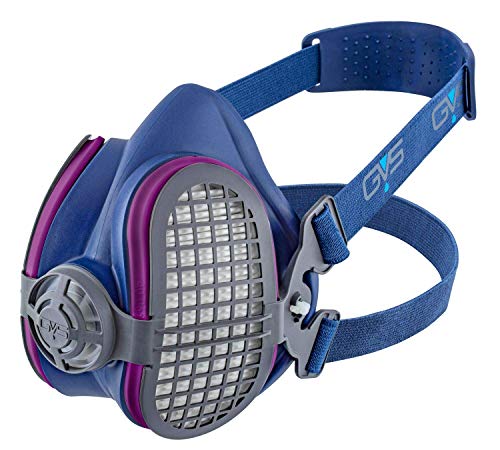
Reusable half-face protection with P100 filters for frequent studio work.
See today's best deals onRespirator Masks
Clay Mixing and Climbing Kilns: Where Silica and CO Spike Most
Clay mixing and climbing kilns are the two spots in a studio where hazards spike fastest. Dry clay mixing can release respirable crystalline silica at levels up to 2.0 mg/m³, well above the 0.025 mg/m³ exposure limit.
Climbing kilns push carbon monoxide readings to 204 ppm, just past the 200 ppm ceiling. These peak zones deserve your attention before you think about glazes or firing schedules.
Address silica dust first by wetting dry materials and using a dust mask rated for fine particles. For carbon monoxide, keep climbing kiln areas ventilated and check your kiln’s airflow regularly.
When in doubt about ventilation or kiln safety, follow the manufacturer’s instructions and your local building codes. A qualified professional can help you set up the right system for your space.
Clay Mixing Risks
Clay mixing is where the kiln studio quietly earns its reputation for danger. Flinging dry powder into a bucket creates a silica cloud you should not inhale, since respirable particles slip past your defenses.
Weighing glazes with care matters more than your favorite mug collection. A dust mask that fits well is your first line of defense, and loose straps defeat the purpose entirely.
That fine, floating dust settles into lungs over years, not minutes. Studies show mixing tasks can push respirable silica beyond safety limits even in well-run shops.
Wet-mixing your clay body cuts airborne exposure dramatically, though it is messier. For dry batches, use a NIOSH-approved respirator instead of a cloth bandana. Check the manufacturer’s instructions for the right filter and seal.
Treat clay mixing like a dust bomb, weigh glazes carefully, and verify that mask seals tight. It is boring, but so is an early respirator dependency.
Carbon Monoxide Spikes
Carbon monoxide often sneaks in during routine tasks like shuttling clay bags or firing a climbing kiln, not during a dramatic glaze meltdown. Real-time readings hit 204 ppm near forklift exhaust, just past the 200 ppm ceiling, so this is a real concern.
A carbon monoxide monitor costs around $80–150 and acts as cheap insurance. It catches invisible surges before headaches or worse settle in.
The fix is simple, not fancy. Keep loading dock doors cracked open during clay deliveries and give the forklift a tune-up, since old engines belch more CO than you’d think.
Gas kilns add their own contribution during heavy reduction firing. Don’t rely on smell, because CO is sneaky like a cat burglar.
Install a monitor, test the air, and keep doors ajar. Your lungs will thank you.
Peak Exposure Zones
Clay mixing and climbing kilns are the peak exposure zones in a pottery studio. Silica dust and carbon monoxide spike hardest there.
Short-term silica hits 2.0 mg/m³, which is 40 times the safe limit. Climbing kilns push TVOCs to 12,000 ppb.
Korean studies found five of 96 samples exceeded limits, all during shaping tasks. These are warning signs, not freak accidents.
Mixing bags kicks up respirable crystalline silica, the lung-scarring kind. Climbing kilns with poor ventilation trap CO and metals like lead and cadmium.
Your nose won’t catch these. Silica is odorless, and CO is sneaky.
Watch for a dust haze near dry clay. Watch for a headache near a hot kiln.
Wet-mix your clay to keep dust down. Vent kiln rooms with LEV hoods and keep doors open.
That’s cheap insurance. For kiln ventilation and silica dust control, follow manufacturer instructions and local codes.
LEV Hoods vs. Box Fans: Which Removes Silica Better?
A local exhaust ventilation (LEV) hood removes silica better than a box fan. The fan just pushes dust around, stirring it back toward your breathing zone. The LEV captures particles at the source and pulls them away before they spread.
A decent LEV hood runs $300 to $800, plus ductwork. A box fan costs twenty bucks, but it fails at the one job that matters: keeping respirable silica out of your lungs. The health savings alone justify the price.
DIY installation is doable. You can mount a small hood over your workbench and vent it outside with a basic blower. It takes patience and a drill, not rocket science.
When you mix dry clay body, skip the fan and save for the hood. Follow the manufacturer’s instructions for ducting and blower sizing, and check local codes before you cut into a wall. Your future lungs will thank you.
OSHA Limits vs. Real Studio Air: Where Standards Fall Short
OSHA’s limits are a good starting point, but they miss the messy reality of a home studio. Their eight-hour averages assume steady work, yet potters often fire a kiln overnight or mix clay in short bursts, which skews the numbers.
Real-world air monitoring shows silica spikes can hit 2.0 mg/m³ during bag dumping. That’s forty times the recommended level, far beyond what a PEL captures.
Short-term tasks like trimming can blow past excursion limits, even when your daily average looks fine. Don’t rely on numbers alone.
Invest in proper studio ventilation, like a cross-draft hood or a window fan, and test your air periodically. For ventilation or dust control, follow manufacturer instructions or check local codes.
Your nose and a cheap particle counter are better judges than any chart. Standards guide, but they don’t replace what you can sense in your own space.

Warns you before colorless, odorless kiln gases reach dangerous levels.

Tracks fine dust and volatile gases in real time so you can act fast.

Detects respirable silica dust clouds that your eyes and nose cannot.
Browse discountedAir Quality Monitorson Amazon
Frequently Asked Questions
Can Houseplants Help Filter Silica Dust in My Studio?
No, houseplants cannot filter silica dust in your studio in any meaningful way, as their leaves only trap a negligible amount of dust through passive settling. For respirable crystalline silica, you need mechanical ventilation or a HEPA filter to actually pull the fine particles out of the air before you breathe them.
Plants act as slow, passive collectors, not active air scrubbers, so they will never reduce airborne concentrations to safe occupational levels. Instead, wet-clean your work surfaces with a sponge or mop, and avoid dry sweeping, which just kicks the dust back up.
For a practical step today, position a portable HEPA air purifier near your throwing and trimming station, and always keep it running for at least an hour after you finish. Pair that with wet-wiping your tools and floors, and check your local clay supplier’s safety data sheet for specific exposure limits. This mechanical approach, not botany, is what keeps your lungs clear over decades of pottery work.
Do Kiln Fumes Linger on Clothing and Hair?
Yes, kiln fumes can linger on clothing and hair, mainly through odor retention and absorption into fabrics and strands. The residues are usually faint, but they can persist after high-emission firings, especially if you stand close to the kiln during venting.
To reduce this, change into a dedicated shop shirt and tie your hair back before you unload or clean the kiln. Then, leave that clothing outside or in a sealed bag until laundry day, and wash your hair promptly if the smell bothers you.
You can also preheat your kiln with the lid cracked to burn off organic binders, which cuts down on post-fire odors. If you’re unsure about venting timing, check your kiln manufacturer’s instructions for your specific model.
For extra freshness, keeping a fan near your work area helps move fumes away from you. “Kiln off-gassing” is a related term you may see when researching this topic. In my experience, a simple routine of airing out gear makes lingering smells rare.
Is a Simple N95 Mask Enough for Occasional Pottery?
A simple N95 mask is not enough for occasional pottery, even if you only work with clay a few times a month. The mask’s fit is critical, and it offers zero protection against kiln fumes, which can linger long after a firing.
Those fumes and fine silica dust easily bypass the mask’s seal, especially when you are mixing glazes or cleaning the studio. Proper ventilation, like an exhaust fan positioned near your work area, is your first line of defense.
For a concrete step today, check your clay or glaze manufacturer’s instructions for recommended dust control, and always wet-mop the floor instead of sweeping. Exposure monitoring, along with a properly fitted respirator rated for particulates and acid gases, becomes essential if you fire regularly. In my experience, the mask alone gives a false sense of safety that is worse than no protection at all.
How Often Should Studio Air Be Professionally Tested?
Professionally tested studio air is recommended at least once a year, though high-output pottery workshops may need it twice as often. Your ventilation system’s performance is the main factor, so schedule a check after changing glaze brands or firing schedules.
Ask a certified technician to measure airborne particulates and fumes, and watch for any lingering dust on shelves between sessions. A simple habit is to set a reminder on your phone for the same month each year, tying it to your annual kiln inspection.
This frequency keeps you aligned with basic indoor air quality guidelines, and many potters treat it like a seasonal tune-up. If you switch to a new glaze with unusual metal oxides, test sooner rather than later.
For exact exposure limits, check the manufacturer’s instructions on your specific materials. Your lungs will thank you for the consistent upkeep, and the test gives you peace of mind to keep throwing.
Are Outdoor Kilns Completely Safe From Fume Exposure?
Outdoor kilns are not completely safe from fume exposure, since outdoor airflow only reduces, not removes, the risk. Inhaled contaminants can still reach your breathing zone, especially during unloading or when wind shifts unpredictably.
To protect yourself, always stand upwind of the kiln while opening the lid or door, and keep your face at least an arm’s length away from the opening. This simple habit cuts direct fume contact more than any kiln placement alone.
Check your clay and glaze manufacturer’s instructions for specific firing and ventilation guidance, as some materials release more toxic fumes than others. For extra safety, consider using a portable fume extractor, which is a handy synonym for a local ventilation unit.
In my experience, even a light breeze can funnel fumes back toward you, so a cheap wind direction indicator, like a ribbon on a stick, works well. Never rely on the outdoors as your only protection, and take breaks if you feel dizzy.
Rounding Up
Are kiln fumes dangerous? Yes, silica dust is the real bully, not just the gas.
Check your local OSHA rules, but treat them as a decent floor, not a clean-air ceiling. Write down your firing schedule and see when fumes peak, then compare that to how your LEV hood is positioned.
A hood beats a box fan, hands down. Test your filtration by breathing easy while you work, and spend the cash on real filtration.
Keep your lungs for laughing at bad pots. Protect yourself, because your kiln will outlive you.